VV
Guest dossier
Vladimir Vapnik
mathematiciancomputer scientistuniversity teacherstatistician
Vladimir Naumovich Vapnik is a statistician, researcher, and academic. He is one of the main developers of the Vapnik–Chervonenkis theory of statistical learning and the co-inventor of the support-vector machine method and support-vector clustering algorithms.
Conversation after conversation, Vladimir Vapnik returns to machine learning. Vladimir Vapnik argues that understanding intelligence is a philosophical problem, distinct from engineering intelligence, which imitates human activity. Vapnik suggests that using predicates can significantly reduce the amount of data needed for tasks like digit recognition, potentially needing 100 times fewer examples.
Synthesized by TLexDR from 2 conversations. AI-generated. Report an inaccuracy
The idea map
Vladimir's intellectual territory
Click a star to read the quotes and jump into the episode.
For the specialist
previewVapnik's claim that predicates can reduce data requirements by up to 100 times challenges conventional data-intensive approaches in machine learning.
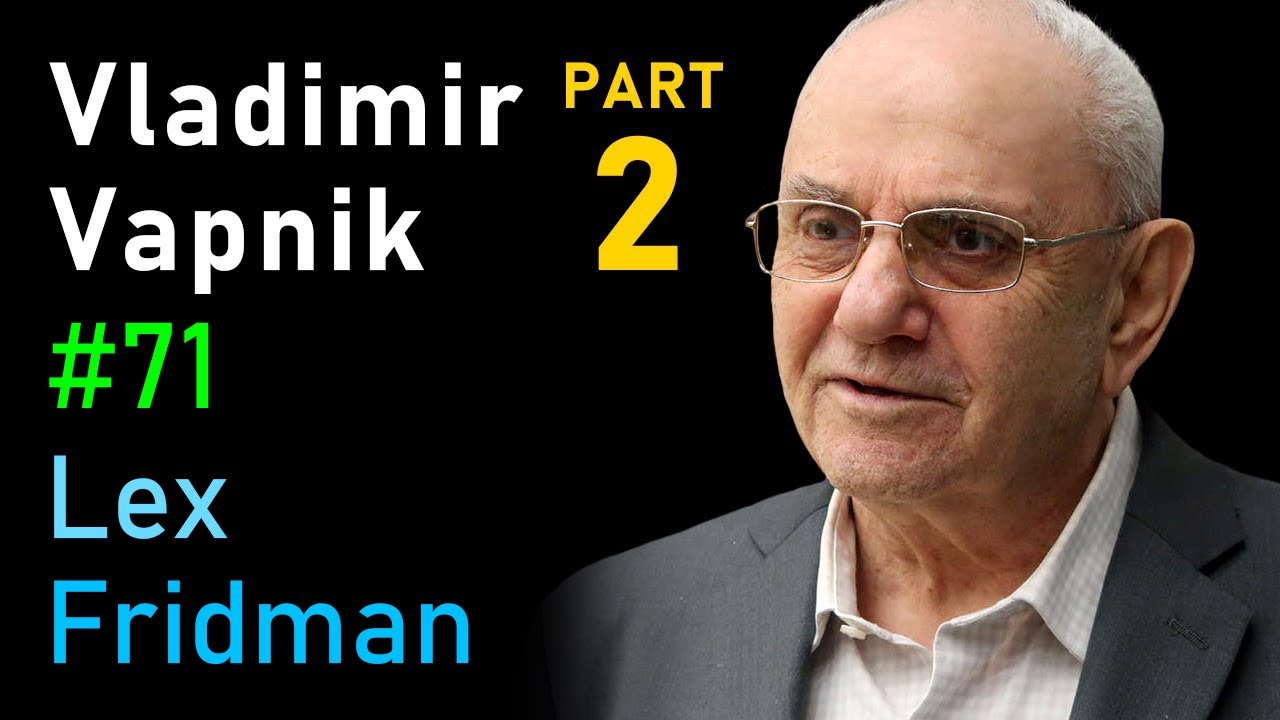
Vladimir Vapnik: Predicates, Invariants, and the Essence of Intelligence
The use of Vladimir Propp's 31 narrative predicates as a framework for understanding intelligence suggests a novel intersection between literature and AI.
Vladimir Vapnik: Predicates, Invariants, and the Essence of Intelligence
Vapnik's critique of deep learning as a 'fantasy' challenges the field's current trajectory, suggesting a return to mathematically grounded methods.
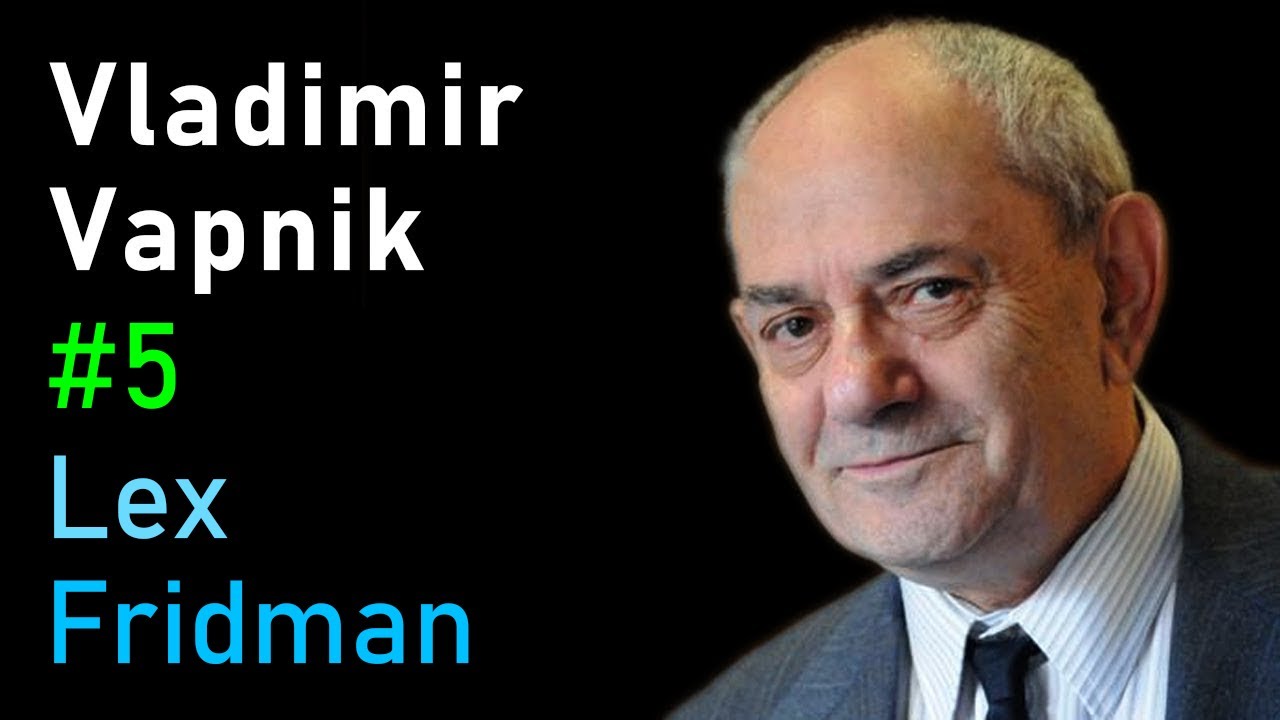
Vladimir Vapnik: Statistical Learning
The assertion that each data example carries only one bit of information questions the efficiency of large datasets in machine learning.
Vladimir Vapnik: Statistical Learning
The appearances
Every conversation, in order
Reading list
What they pointed you toward
books
papers
Every idea, by region
The full territory
Adjacent minds