All topics / philosophy
Topic
You are reading the free Skim layer. Read unlocks the synthesis and sources.
Philosophy
3
episodes
4
thinkers
8h
of conversation
18
books & papers
8
terms defined
The neighbourhood: philosophy and the ideas it travels with. Drag to roam, click a star for the episode, click a neighbour to travel.
Drag to roam · scroll to zoom · click a neighbour to travel · click a star for the episode
From foundational to frontier
Climb the spectrum. The most accessible conversations come first.
Start here
ACCESSIBLECOREFRONTIER
The lexicon
Every term the guests lean on, in plain language. Read one in full, or filter to find it.
What the corpus says
The throughline across every conversation that touches this idea.
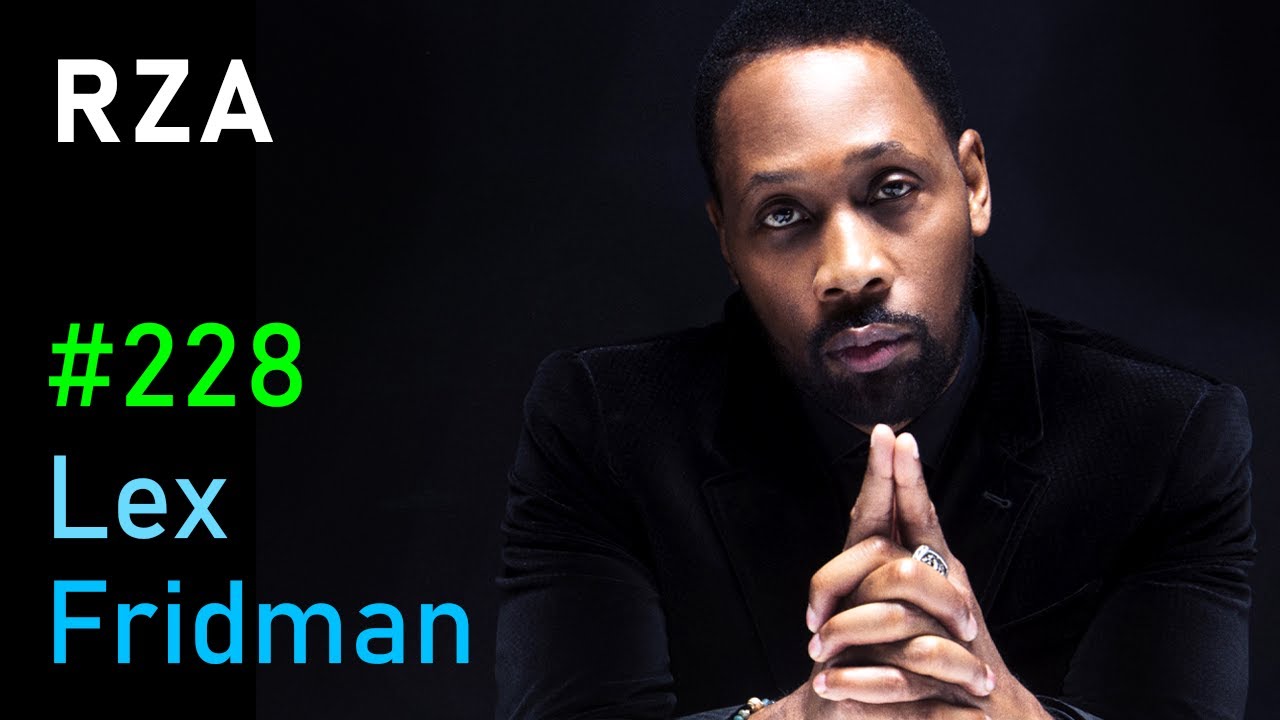
RZA attributes his creative longevity to life experiences and influences from figures like Quincy Jones and Quentin Tarantino.
Wu-Tang Clan's evolution reflects a journey from raw talent to wisdom, influenced by cultural icons like Bruce Lee.
RZA believes that while the body is mortal, the soul's creations ensure immortality through memory and impact.
The five animal technique in Hung Gar kung fu symbolizes different mentalities, impacting RZA's artistic and personal philosophy.
Veganism is framed as a choice for self-preservation and ethical living, contrasting with survival-based consumption.
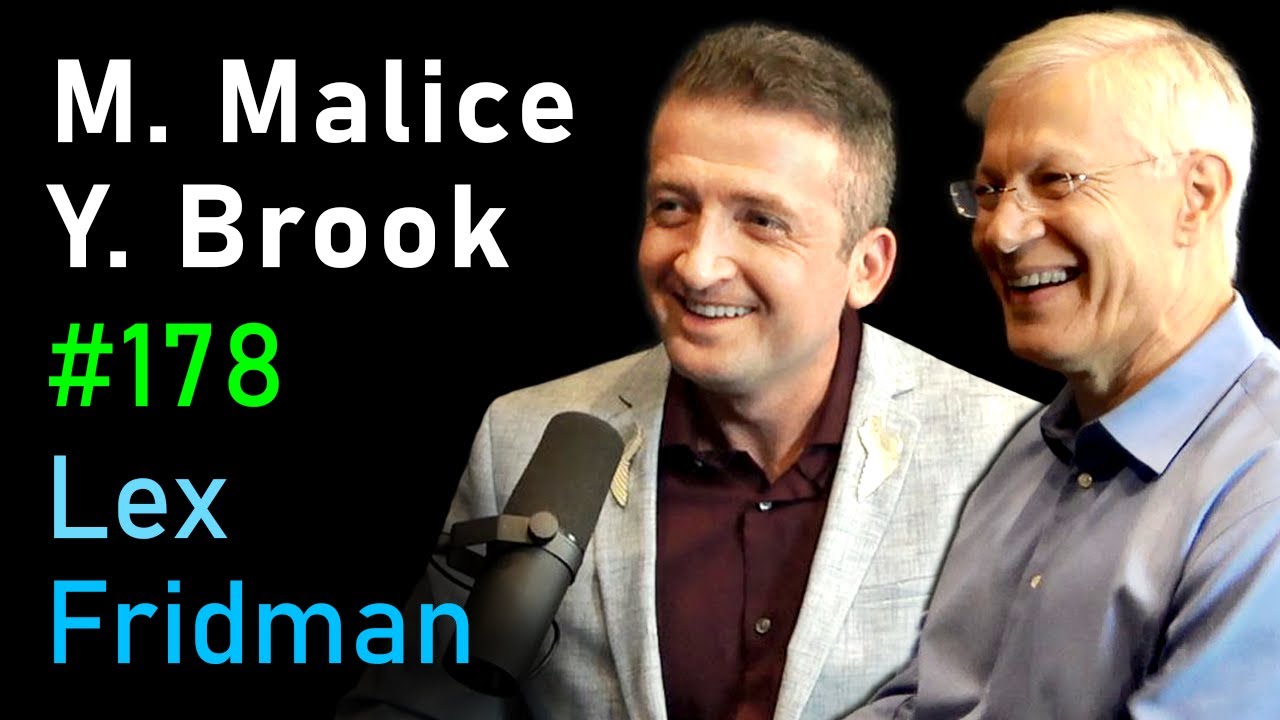
Michael Malice argues that anarchism can offer a viable alternative to state monopolies on violence by fostering accountability through competition.
Michael Malice · Michael Malice and Yaron Brook: Ayn Rand, Human Nature, and Anarchy
Yaron Brook critiques Donald Hoffman's views on evolution, asserting that reality is integral to evolutionary fitness, not detached from it.
Michael Malice · Michael Malice and Yaron Brook: Ayn Rand, Human Nature, and Anarchy
Brook claims that Ayn Rand's philosophy offers a coherent system of individualism and rationality, challenging collectivist ideologies like Marxism.
Michael Malice · Michael Malice and Yaron Brook: Ayn Rand, Human Nature, and Anarchy
Brook argues that humility is a vice rather than a virtue, as it undermines pride in one's achievements and contributions.
Michael Malice · Michael Malice and Yaron Brook: Ayn Rand, Human Nature, and Anarchy
Brook asserts that religion is a primitive form of philosophy that should be replaced by rational explanations of morality and reality.
Michael Malice · Michael Malice and Yaron Brook: Ayn Rand, Human Nature, and Anarchy
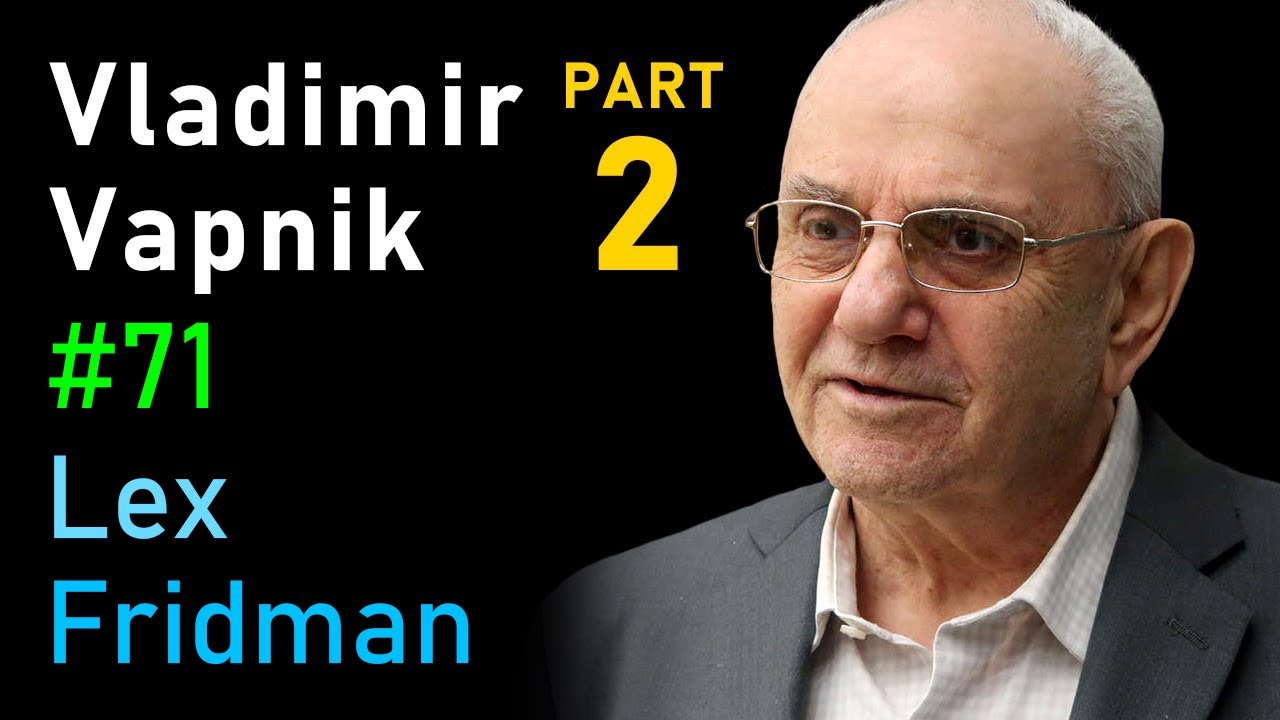
Vladimir Vapnik argues that understanding intelligence is a philosophical problem, distinct from engineering intelligence, which imitates human activity.
Vladimir Vapnik · Vladimir Vapnik: Predicates, Invariants, and the Essence of Intelligence
Vapnik suggests that using predicates can significantly reduce the amount of data needed for tasks like digit recognition, potentially needing 100 times fewer examples.
Vladimir Vapnik · Vladimir Vapnik: Predicates, Invariants, and the Essence of Intelligence
Voices on philosophy
12 standout quotes from across the corpus.
Go read
18 books and papers cited across these episodes.
For the specialist
What experts find new
7 expert-level takeaways for a specialist reader.
At the frontier
Still unresolved
4 open questions flagged across these conversations.
The thinkers
Who takes this idea on, by how often they return to it.