All topics / panpsychism
Topic
You are reading the free Skim layer. Read unlocks the synthesis and sources.
Panpsychism
The philosophical view that consciousness is a fundamental and ubiquitous feature of the physical world.
3
episodes
3
thinkers
6h
of conversation
9
books & papers
5
terms defined
The neighbourhood: panpsychism and the ideas it travels with. Drag to roam, click a star for the episode, click a neighbour to travel.
Drag to roam · scroll to zoom · click a neighbour to travel · click a star for the episode
From foundational to frontier
Climb the spectrum. The most accessible conversations come first.
Start here
ACCESSIBLECOREFRONTIER

The lexicon
Every term the guests lean on, in plain language. Read one in full, or filter to find it.
What the corpus says
The throughline across every conversation that touches this idea.
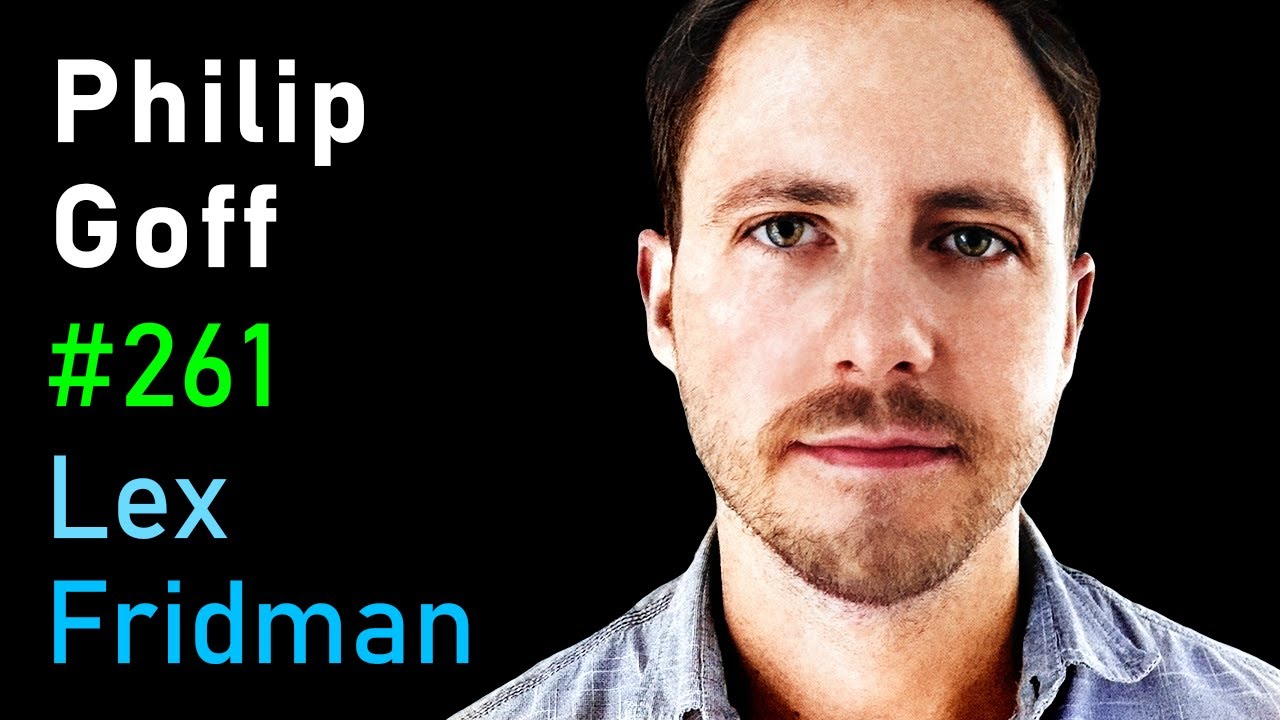
Philip Goff argues consciousness is the ultimate nature of matter, challenging traditional scientific methods.
Panpsychism posits that even basic particles like electrons have simple forms of consciousness.
Goff critiques the scientific worldview for being incompatible with the reality of consciousness, suggesting alienation results.
Panpsychism could bridge the gap between quantitative science and qualitative human experience.
Goff believes uploading minds may lose consciousness due to the absence of physical brain 'stuff'.
Jaron Lanier argues that the transition from virtual to physical reality is more valuable than the simulation itself.
Social media algorithms exploit primal emotional responses, leading to negative behavioral changes in users.
Lanier suggests a future where data dignity allows individuals to form data unions and sell their data cooperatively.
Lanier criticizes Bitcoin for supporting criminality more than productivity, despite its potential for a beneficial digital currency.
The concept of panpsychism is hinted at through the connection between music and consciousness.
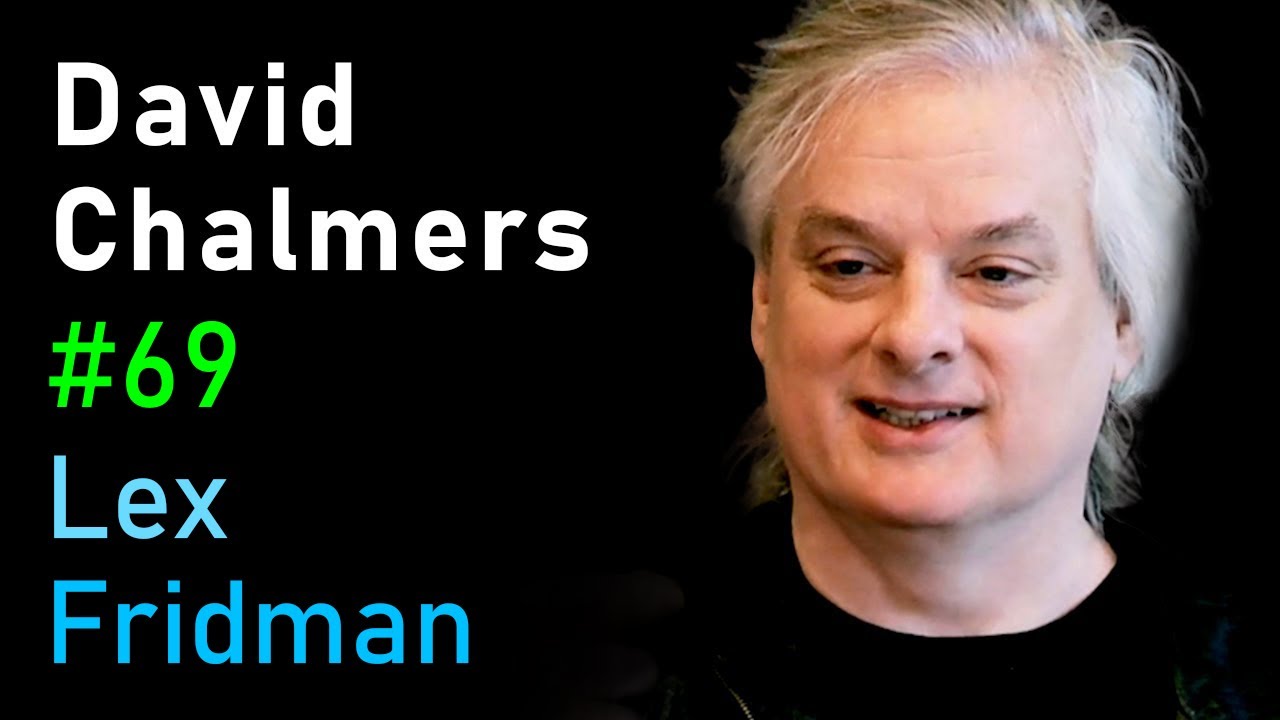
David Chalmers argues that even if we are in a simulation, our perceived reality remains 'real', introducing the term 'reality 2.0'.
David Chalmers · David Chalmers: The Hard Problem of Consciousness
Chalmers suggests that consciousness arises from information processing patterns, challenging the notion that biological substrates are necessary.
David Chalmers · David Chalmers: The Hard Problem of Consciousness
Voices on panpsychism
12 standout quotes from across the corpus.
Go read
9 books and papers cited across these episodes.
For the specialist
What experts find new
7 expert-level takeaways for a specialist reader.
At the frontier
Still unresolved
5 open questions flagged across these conversations.
The thinkers
Who takes this idea on, by how often they return to it.