David Chalmers: The Hard Problem of Consciousness
Core Takeaways
David Chalmers argues that even if we are in a simulation, our perceived reality remains 'real', introducing the term 'reality 2.0'.
▶ 5:00
Why it matters
This challenges traditional views of reality, suggesting philosophical implications for our understanding of existence.
Chalmers suggests that consciousness arises from information processing patterns, challenging the notion that biological substrates are necessary.
▶ 25:00
Why it matters
This perspective could redefine how we approach AI development and the nature of consciousness itself.
The hard problem of consciousness is explaining why physical processes create subjective experiences, a question Chalmers finds central.
▶ 45:00
Why it matters
This question remains one of the most profound and unresolved in philosophy and cognitive science.
Chalmers posits that AI systems showing signs of consciousness could lead to a civil rights movement for robots.
▶ 1:05:00
Why it matters
Such a movement could dramatically alter societal and ethical frameworks regarding AI and machine rights.
Panpsychism suggests consciousness is a fundamental property of reality, potentially present in all physical systems.
▶ 1:25:00
Why it matters
This view could fundamentally alter our understanding of consciousness and its role in the universe.
Ask this episode Deep
A preview of how Deep chat answers, grounded in this episode with citations and timestamps:
Cite this episode
For papers, blog posts, anywhere.
Related episodes
Where to go next from this conversation.
More on these ideas
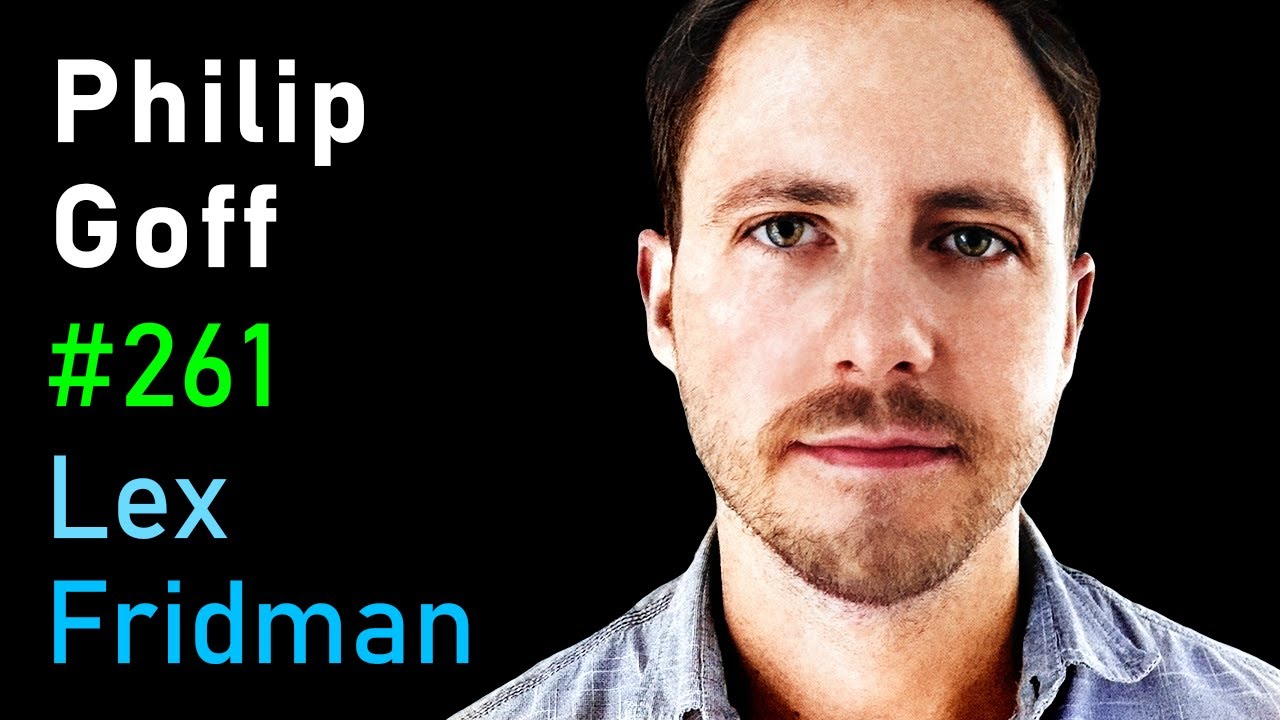 Philip Goff: Consciousness, Panpsychism, and the Philosophy of Mind
Shares panpsychism
2h 46m
Philip Goff: Consciousness, Panpsychism, and the Philosophy of Mind
Shares panpsychism
2h 46m
 Sheldon Solomon: Death and Meaning
Shares AI ethics
2h 56m
Sheldon Solomon: Death and Meaning
Shares AI ethics
2h 56m
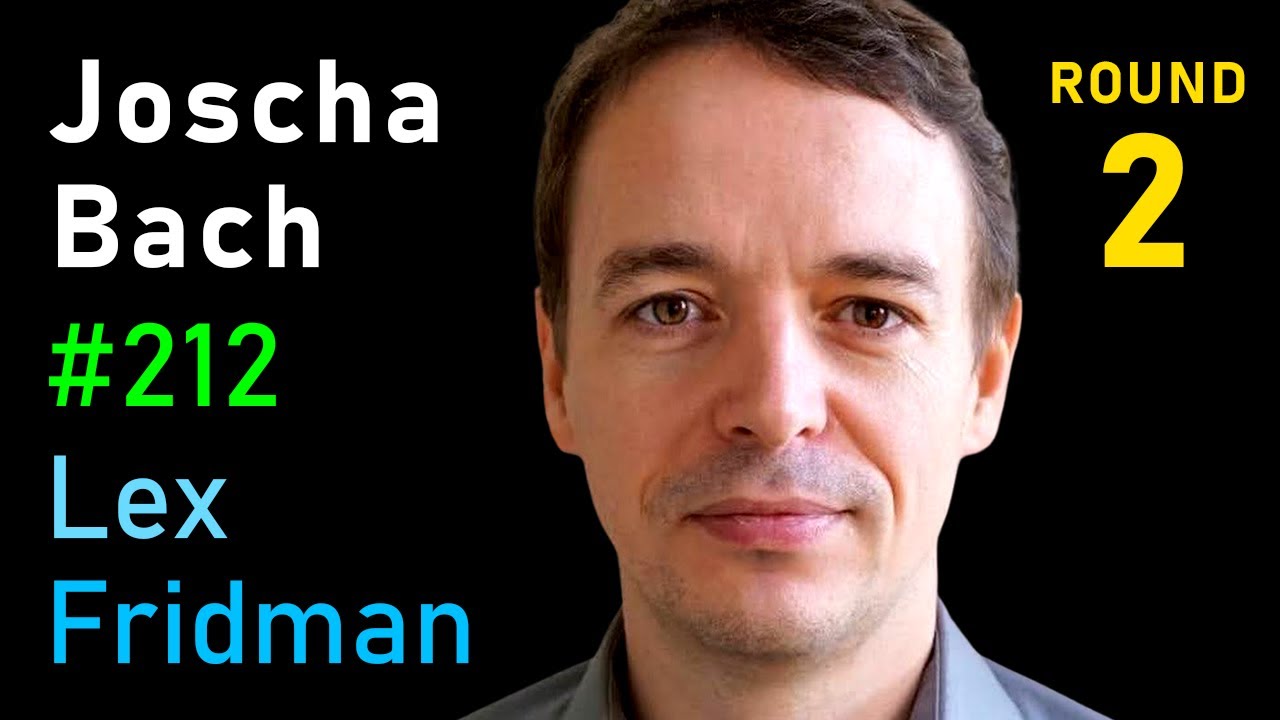 Joscha Bach: Nature of Reality, Dreams, and Consciousness
Shares AI ethics
3h 12m
Joscha Bach: Nature of Reality, Dreams, and Consciousness
Shares AI ethics
3h 12m
 Alex Garland: Ex Machina, Devs, Annihilation, and the Poetry of Science
More like this
1h 11m
Alex Garland: Ex Machina, Devs, Annihilation, and the Poetry of Science
More like this
1h 11m
AI-generated summary · last refreshed 2026-06-08 16:45:43 · how we make these
Quotes are matched verbatim against the source transcript; references are checked to resolve to real URLs. Even so, AI can misread structure or attribute claims imperfectly. If you spot an error, please let us know.