Philip Goff: Consciousness, Panpsychism, and the Philosophy of Mind
Core Takeaways
Philip Goff argues consciousness is the ultimate nature of matter, challenging traditional scientific methods.
▶ 1:00
Why it matters
This challenges the basis of empirical science, which relies on observable phenomena.
Panpsychism posits that even basic particles like electrons have simple forms of consciousness.
▶ 2:30
Why it matters
This implies consciousness is a fundamental aspect of the universe, not just a human trait.
Goff critiques the scientific worldview for being incompatible with the reality of consciousness, suggesting alienation results.
▶ 45:00
Why it matters
This highlights a philosophical tension between scientific objectivity and subjective experience.
Panpsychism could bridge the gap between quantitative science and qualitative human experience.
▶ 1:10:00
Why it matters
This suggests a new framework for integrating subjective experience into scientific understanding.
Goff believes uploading minds may lose consciousness due to the absence of physical brain 'stuff'.
▶ 1:15:00
Why it matters
This raises ethical and practical concerns about the future of digital consciousness.
Ask this episode Deep
A preview of how Deep chat answers, grounded in this episode with citations and timestamps:
Cite this episode
For papers, blog posts, anywhere.
Related episodes
Where to go next from this conversation.
More on these ideas
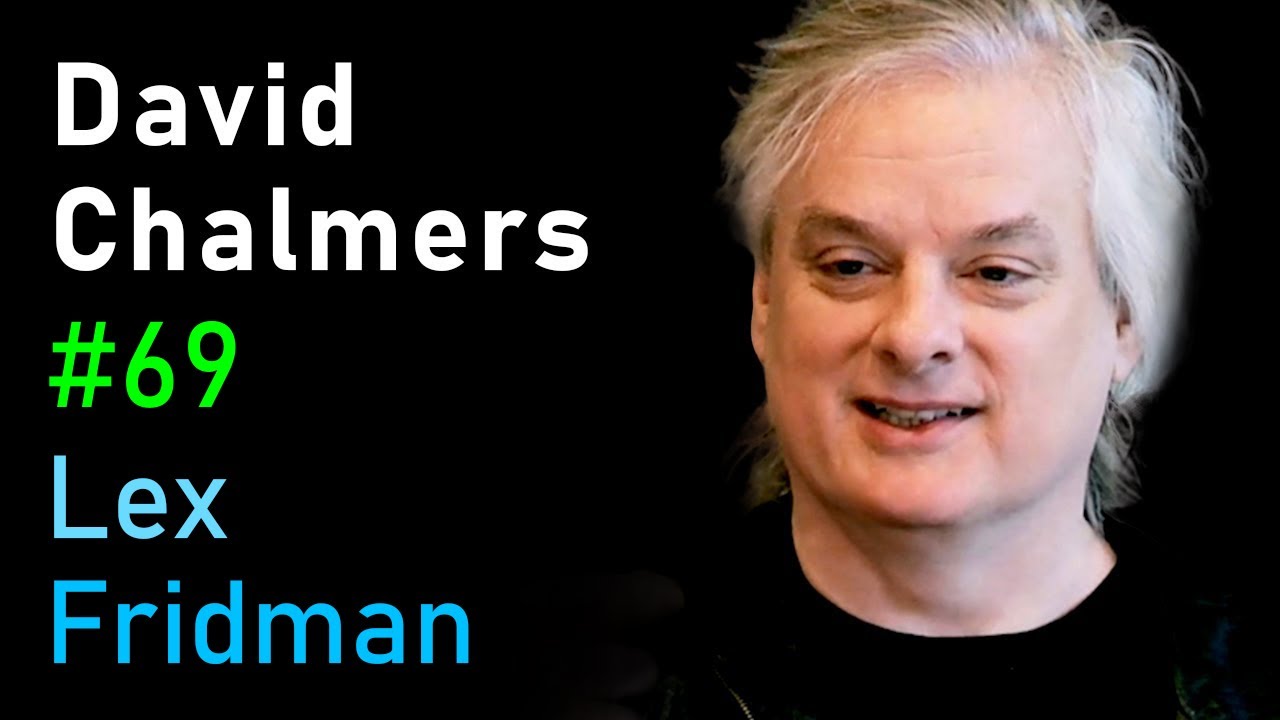 David Chalmers: The Hard Problem of Consciousness
Shares panpsychism
1h 38m
David Chalmers: The Hard Problem of Consciousness
Shares panpsychism
1h 38m
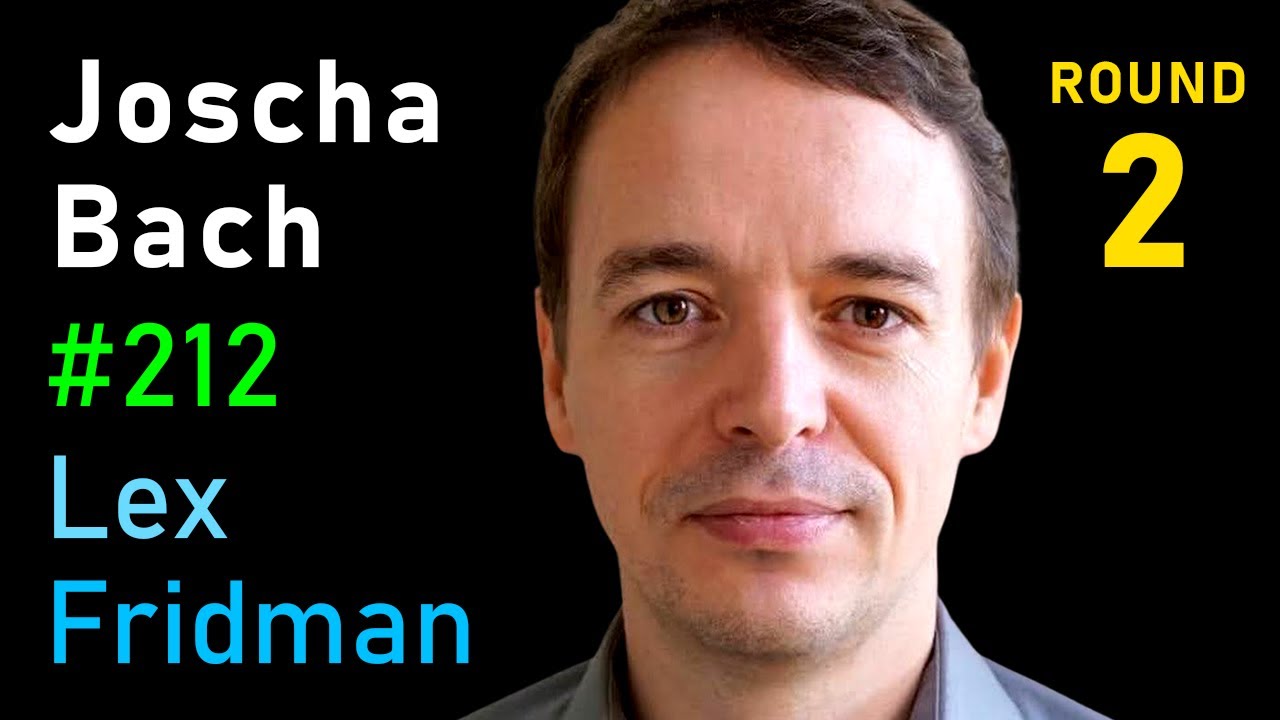 Joscha Bach: Nature of Reality, Dreams, and Consciousness
Shares consciousness
3h 12m
Joscha Bach: Nature of Reality, Dreams, and Consciousness
Shares consciousness
3h 12m
 Annaka Harris: Free Will, Consciousness, and the Nature of Reality
Shares consciousness
2h 39m
Annaka Harris: Free Will, Consciousness, and the Nature of Reality
Shares consciousness
2h 39m
 Sheldon Solomon: Death and Meaning
Shares consciousness
2h 56m
Sheldon Solomon: Death and Meaning
Shares consciousness
2h 56m
AI-generated summary · last refreshed 2026-06-05 23:00:51 · how we make these
Quotes are matched verbatim against the source transcript; references are checked to resolve to real URLs. Even so, AI can misread structure or attribute claims imperfectly. If you spot an error, please let us know.