Mohammed El-Kurd: Palestine
Core Takeaways
The Israeli Supreme Court's 2020 decision to cancel eviction orders in Sheikh Jarrah was driven by international pressure, highlighting the political nature of these legal battles.
▶ 5:00
Why it matters
This decision set a precedent, showing that legal outcomes can be influenced by global advocacy, impacting future eviction cases.
Mohammed el-Kurd argues that over 60 Israeli laws explicitly discriminate against Palestinians with Israeli citizenship, undermining claims of equality.
▶ 15:00
Why it matters
These laws institutionalize inequality, affecting the daily lives and rights of Palestinians in Israel.
El-Kurd critiques the framing of the Israeli-Palestinian conflict as religious, noting that many early Zionist leaders were atheists.
▶ 25:00
Why it matters
This framing simplifies the conflict, obscuring its colonial and political dimensions, which complicates resolution efforts.
The Israeli government's classification of 90% of historic Palestine as state-owned land severely impacts Palestinian farmers.
▶ 35:00
Why it matters
This classification restricts Palestinian agricultural activities, threatening their economic sustainability and cultural heritage.
El-Kurd asserts that the U.S. provides $3.8 billion in military aid to Israel annually, perpetuating the Israeli-Palestinian conflict.
▶ 45:00
Why it matters
U.S. military aid supports Israeli policies, influencing geopolitical dynamics and prolonging the conflict.
Ask this episode Deep
A preview of how Deep chat answers, grounded in this episode with citations and timestamps:
Cite this episode
For papers, blog posts, anywhere.
Related episodes
Where to go next from this conversation.
More on these ideas
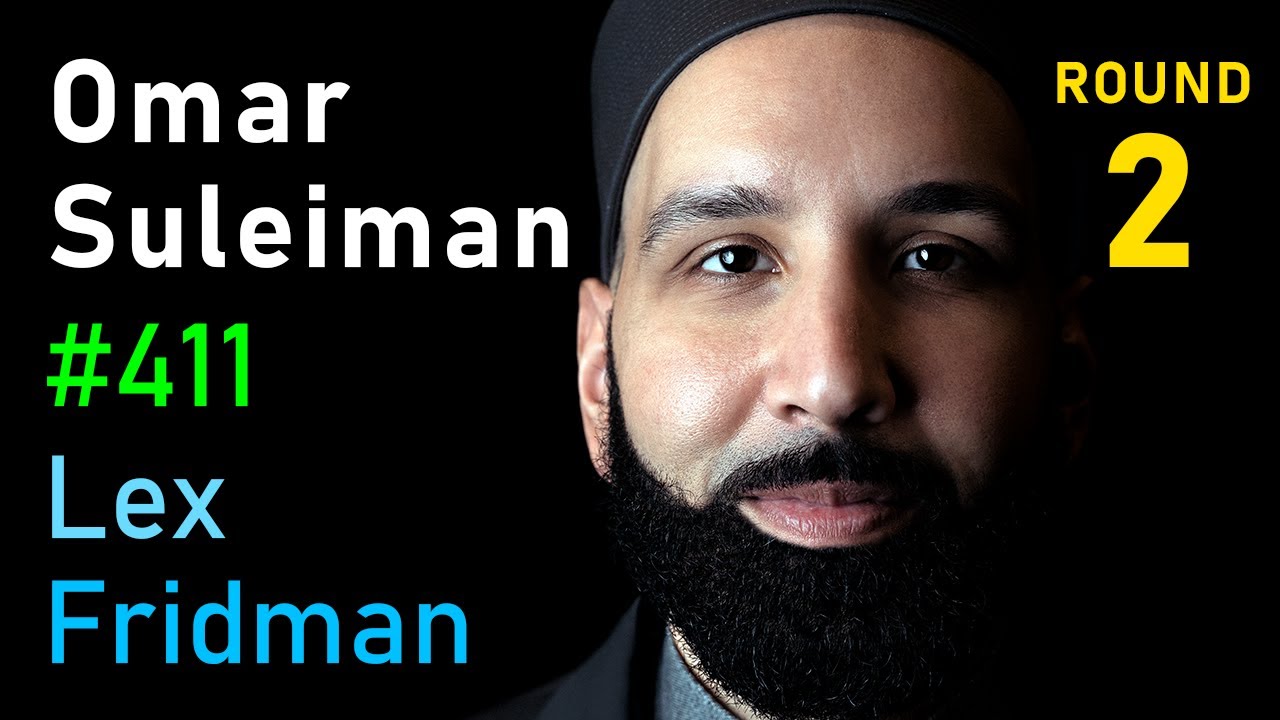 Omar Suleiman: Palestine, Gaza, Oct 7, Israel, Resistance, Faith & Islam
More like this
2h 22m
Omar Suleiman: Palestine, Gaza, Oct 7, Israel, Resistance, Faith & Islam
More like this
2h 22m
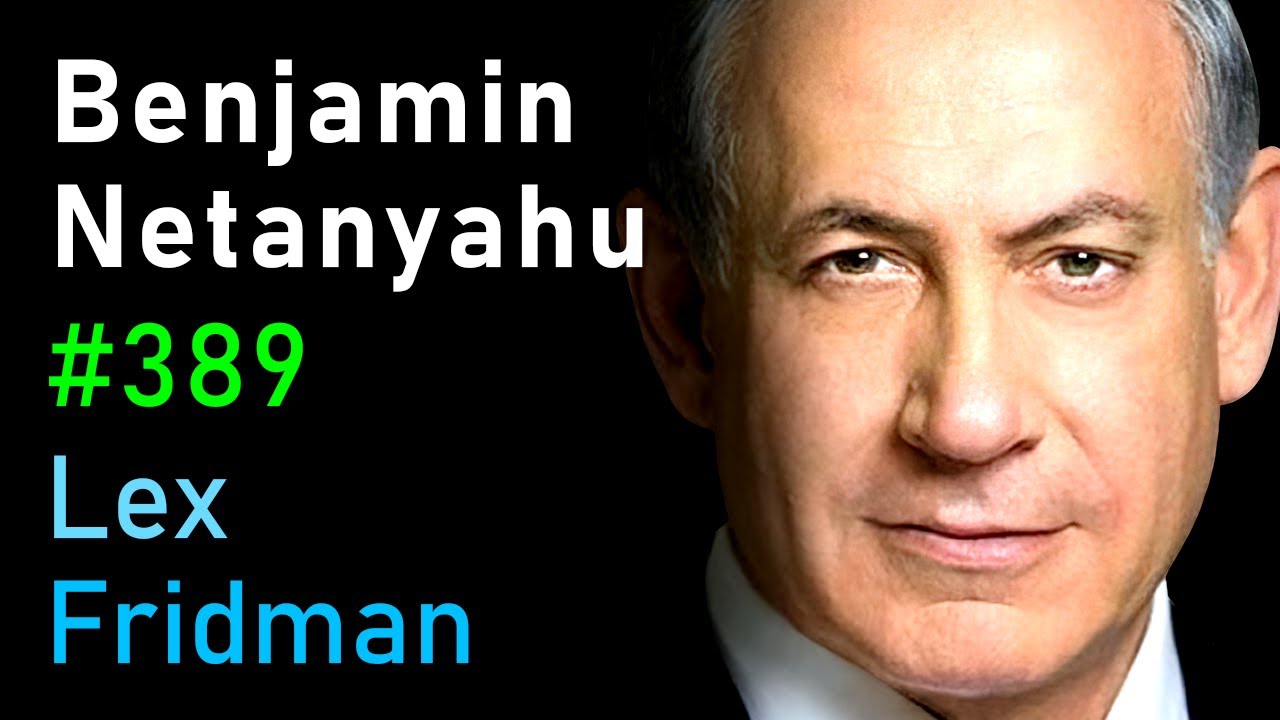 Benjamin Netanyahu: Israel, Palestine, Power, Corruption, Hate, and Peace
More like this
1h 11m
Benjamin Netanyahu: Israel, Palestine, Power, Corruption, Hate, and Peace
More like this
1h 11m
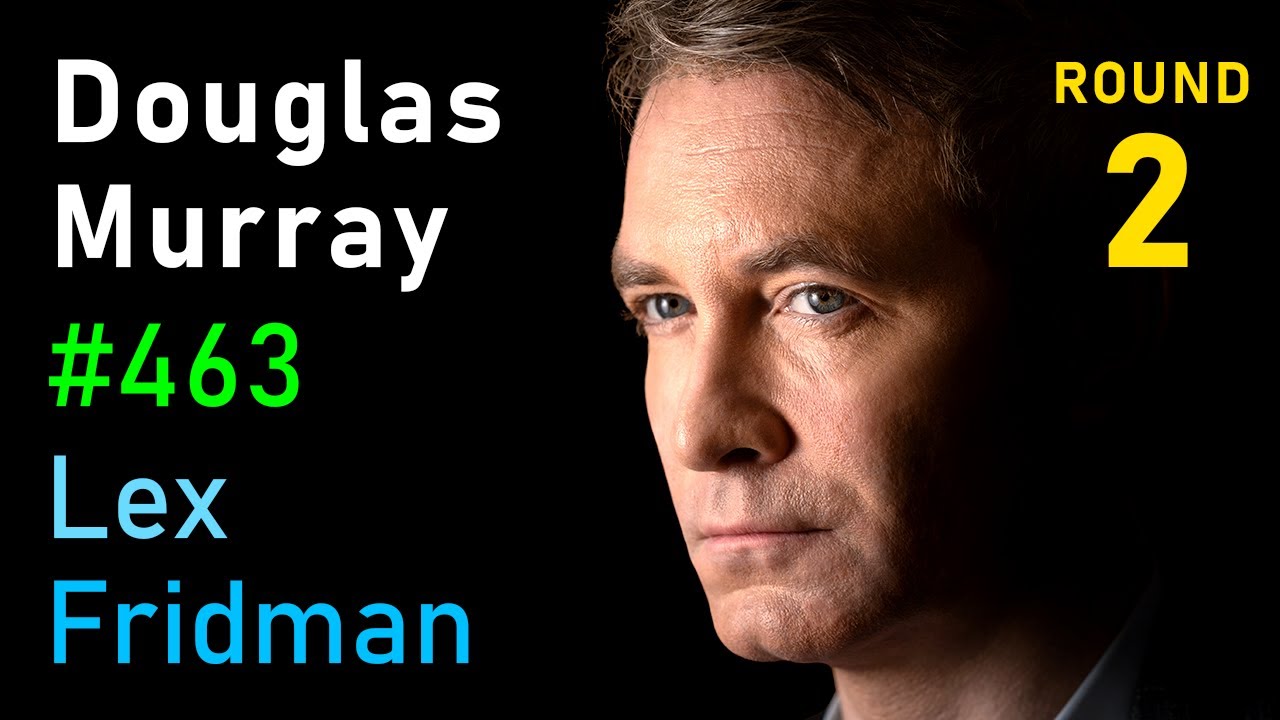 Douglas Murray: Putin, Zelenskyy, Trump, Israel, Netanyahu, Hamas & Gaza
More like this
3h 9m
Douglas Murray: Putin, Zelenskyy, Trump, Israel, Netanyahu, Hamas & Gaza
More like this
3h 9m
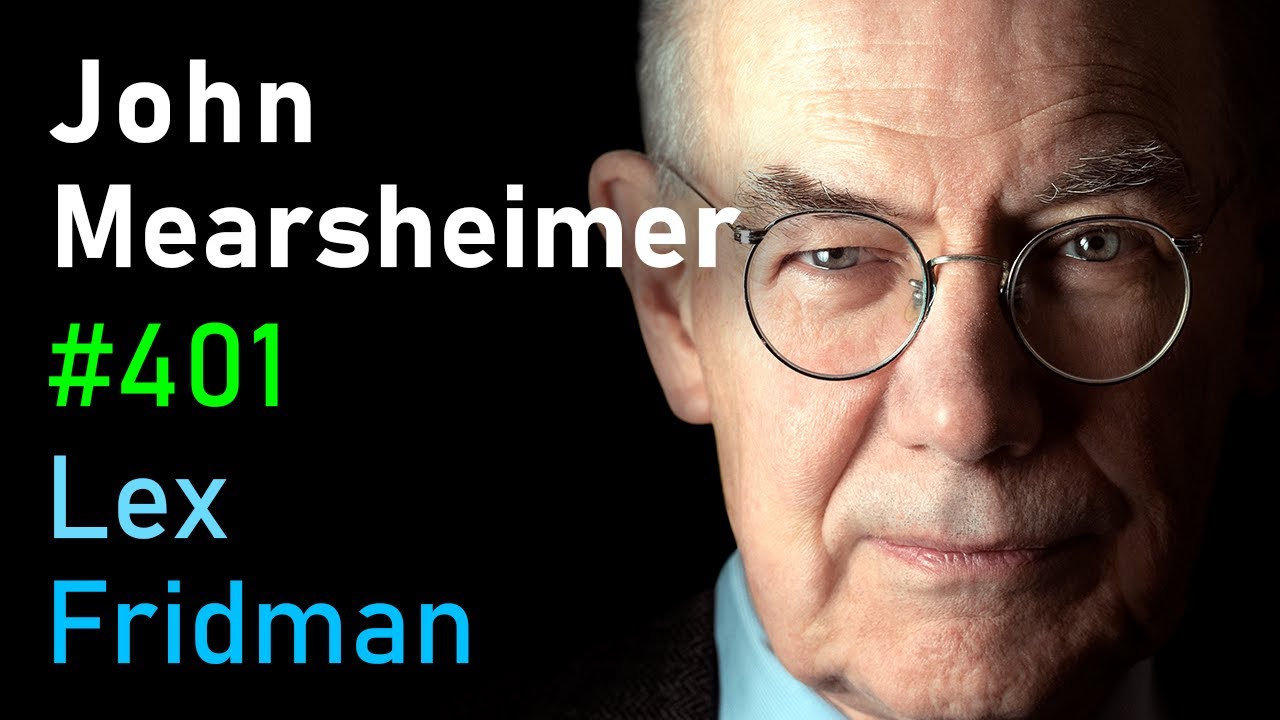 John Mearsheimer: Israel-Palestine, Russia-Ukraine, China, NATO, and WW3
More like this
3h 26m
John Mearsheimer: Israel-Palestine, Russia-Ukraine, China, NATO, and WW3
More like this
3h 26m
AI-generated summary · last refreshed 2026-05-29 04:53:04 · how we make these
Quotes are matched verbatim against the source transcript; references are checked to resolve to real URLs. Even so, AI can misread structure or attribute claims imperfectly. If you spot an error, please let us know.