Omar Suleiman: Palestine, Gaza, Oct 7, Israel, Resistance, Faith & Islam
Core Takeaways
U.S. foreign policy is seen as biased, protecting Israel from accountability.
▶ 3:00
Why it matters
This bias undermines U.S. credibility as a peace broker in the Middle East.
The Abraham Accords marginalize Palestinians, erasing them from peace processes.
▶ 4:00
Why it matters
Ignoring Palestinian rights perpetuates conflict and hinders genuine peace.
Islamophobia in the U.S. has intensified post-October 7, with violent incidents.
▶ 5:00
Why it matters
Rising violence against Muslims reflects broader societal tensions and prejudices.
Ask this episode Deep
A preview of how Deep chat answers, grounded in this episode with citations and timestamps:
Cite this episode
For papers, blog posts, anywhere.
Related episodes
Where to go next from this conversation.
More from Omar Suleiman
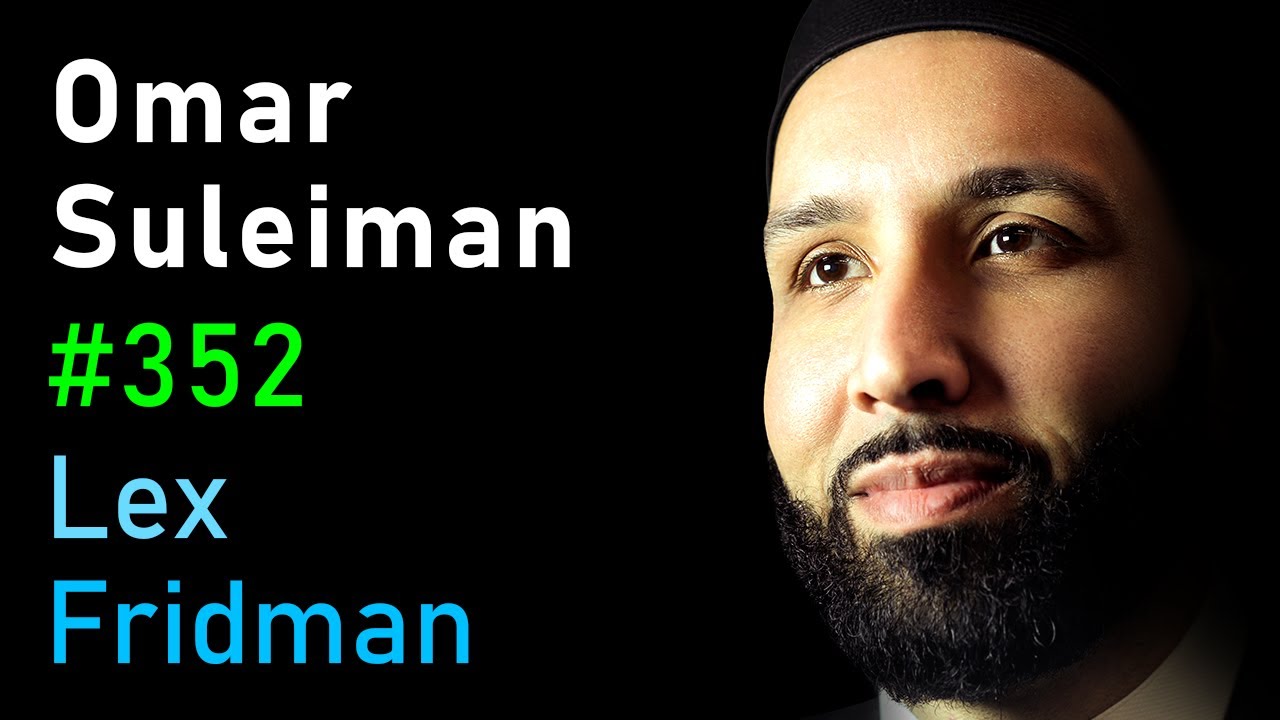
More on these ideas
 Mohammed El-Kurd: Palestine
More like this
2h 14m
Mohammed El-Kurd: Palestine
More like this
2h 14m
 Benjamin Netanyahu: Israel, Palestine, Power, Corruption, Hate, and Peace
Shares Abraham Accords
1h 11m
Benjamin Netanyahu: Israel, Palestine, Power, Corruption, Hate, and Peace
Shares Abraham Accords
1h 11m
 Jared Kushner: Israel, Palestine, Hamas, Gaza, Iran, and the Middle East
Shares Abraham Accords
3h 48m
Jared Kushner: Israel, Palestine, Hamas, Gaza, Iran, and the Middle East
Shares Abraham Accords
3h 48m
 Douglas Murray: Putin, Zelenskyy, Trump, Israel, Netanyahu, Hamas & Gaza
More like this
3h 9m
Douglas Murray: Putin, Zelenskyy, Trump, Israel, Netanyahu, Hamas & Gaza
More like this
3h 9m
AI-generated summary · last refreshed 2026-05-29 03:23:49 · how we make these
Quotes are matched verbatim against the source transcript; references are checked to resolve to real URLs. Even so, AI can misread structure or attribute claims imperfectly. If you spot an error, please let us know.