Benjamin Netanyahu: Israel, Palestine, Power, Corruption, Hate, and Peace
Core Takeaways
Netanyahu asserts anti-Zionism equates to anti-Semitism, framing opposition to a Jewish state as opposition to Jewish people.
Why it matters
This framing seeks to delegitimize political opposition to Israel by equating it with racial hatred, affecting international discourse.
Netanyahu claims Palestinian refusal to recognize Israel as a Jewish state is the core conflict issue, not territorial disputes.
▶ 1:02:00
Why it matters
This claim shifts the narrative focus from land to identity, influencing peace negotiation strategies and international support.
The Abraham Accords demonstrate Netanyahu's strategy of bypassing Palestinian negotiations to achieve broader Arab-Israeli peace.
▶ 1:22:00
Why it matters
This approach could reshape Middle Eastern alliances, potentially isolating Palestinians and altering peace dynamics.
Netanyahu argues that AI will displace more jobs than it creates, challenging historical economic trends.
▶ 40:00
Why it matters
If true, this could necessitate new economic policies and social safety nets to manage widespread job displacement.
Ask this episode Deep
A preview of how Deep chat answers, grounded in this episode with citations and timestamps:
Cite this episode
For papers, blog posts, anywhere.
Related episodes
Where to go next from this conversation.
More on these ideas
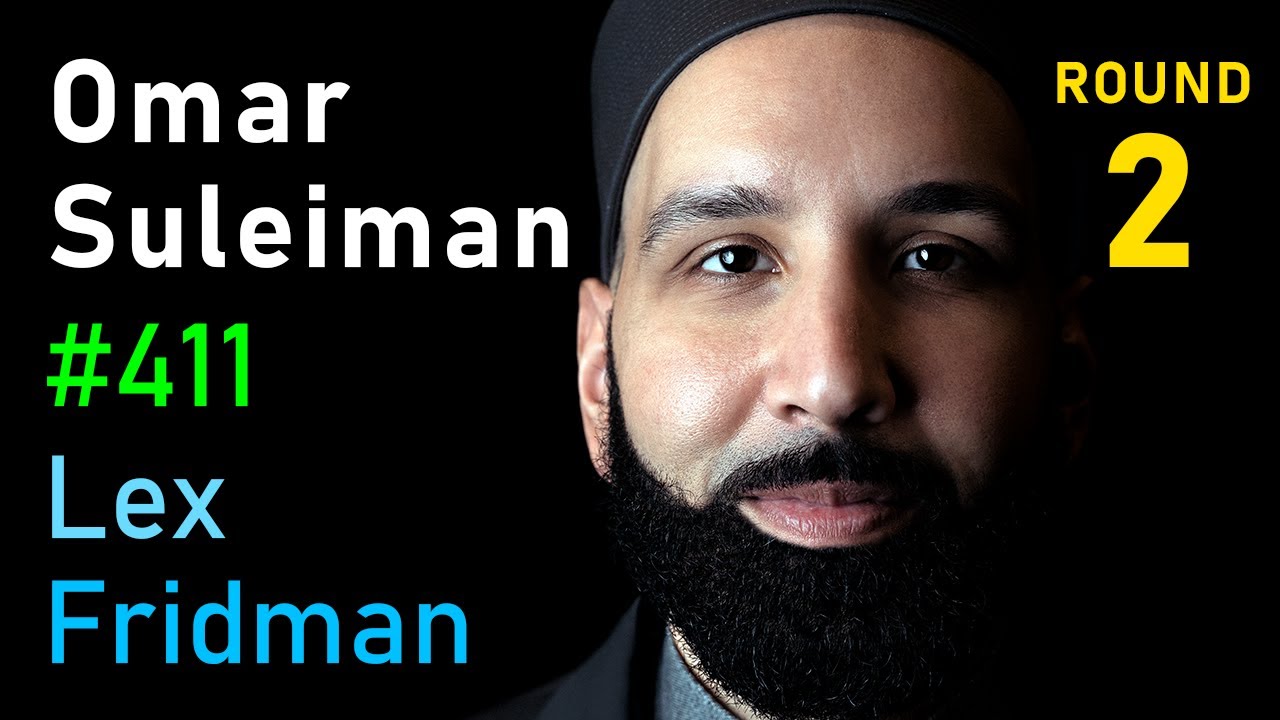 Omar Suleiman: Palestine, Gaza, Oct 7, Israel, Resistance, Faith & Islam
Shares Abraham Accords
2h 22m
Omar Suleiman: Palestine, Gaza, Oct 7, Israel, Resistance, Faith & Islam
Shares Abraham Accords
2h 22m
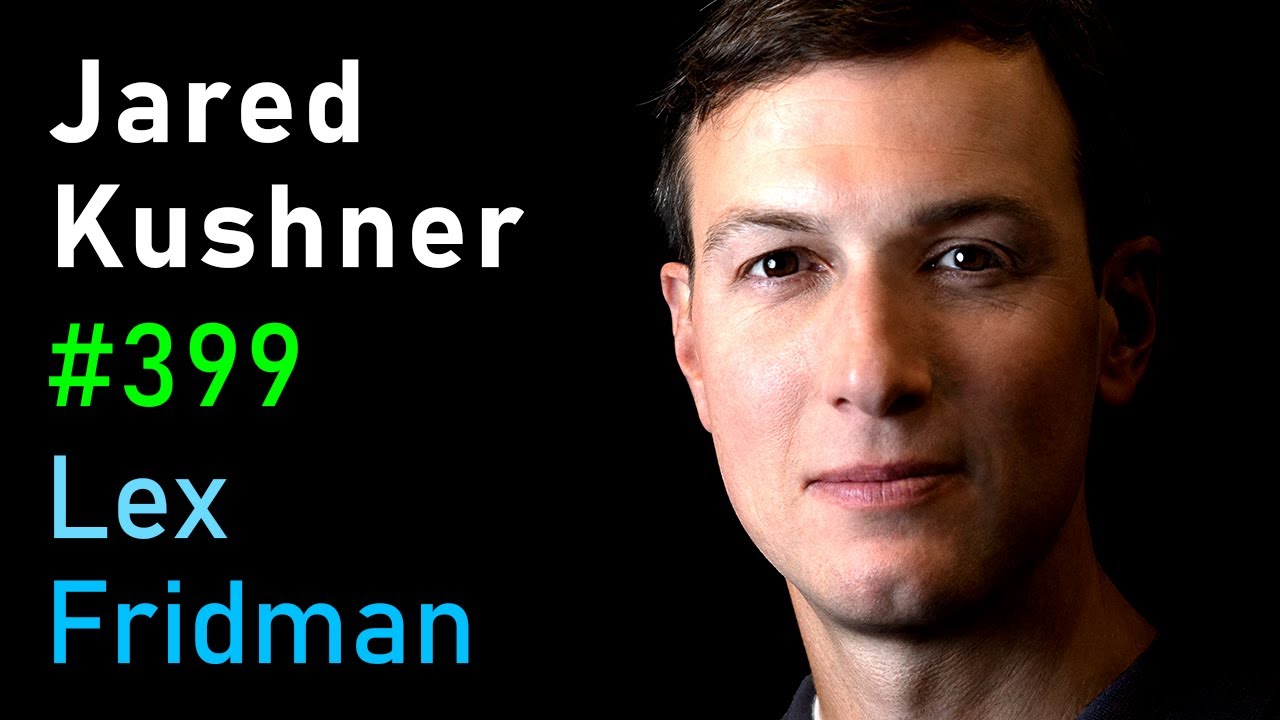 Jared Kushner: Israel, Palestine, Hamas, Gaza, Iran, and the Middle East
Shares Israeli-Palestinian conflict, Abraham Accords
3h 48m
Jared Kushner: Israel, Palestine, Hamas, Gaza, Iran, and the Middle East
Shares Israeli-Palestinian conflict, Abraham Accords
3h 48m
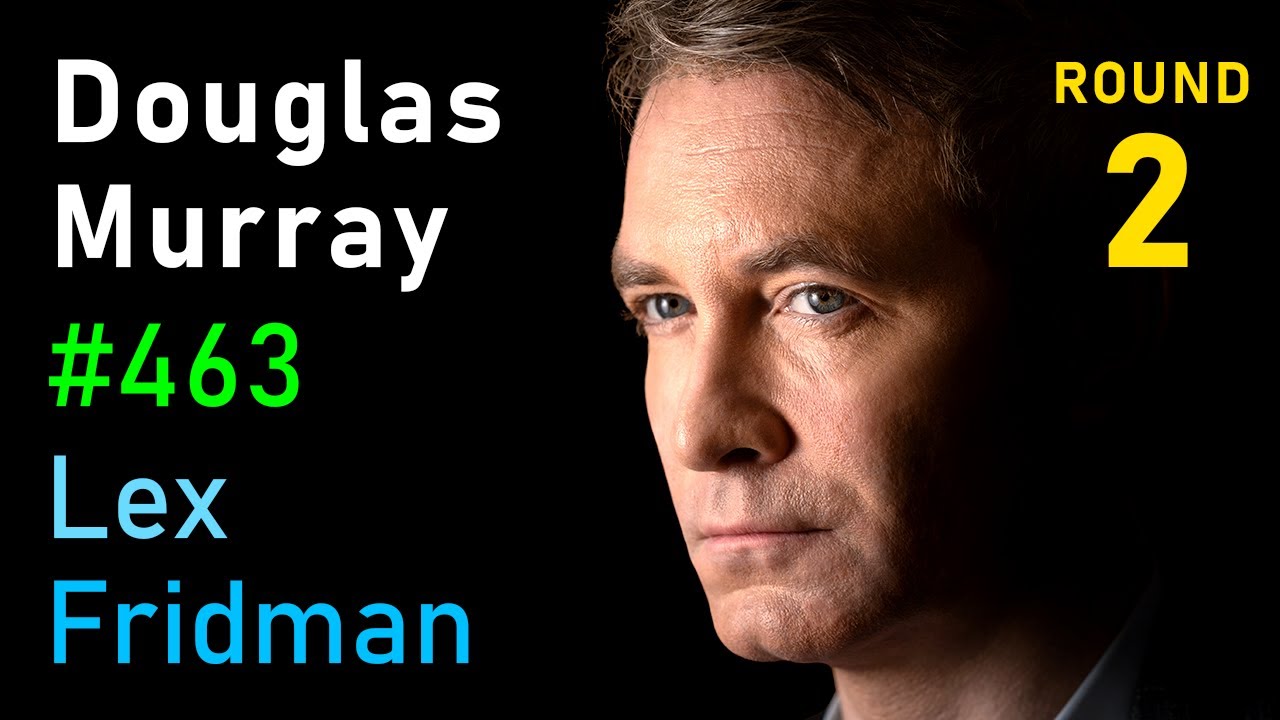 Douglas Murray: Putin, Zelenskyy, Trump, Israel, Netanyahu, Hamas & Gaza
Shares Israeli-Palestinian conflict
3h 9m
Douglas Murray: Putin, Zelenskyy, Trump, Israel, Netanyahu, Hamas & Gaza
Shares Israeli-Palestinian conflict
3h 9m
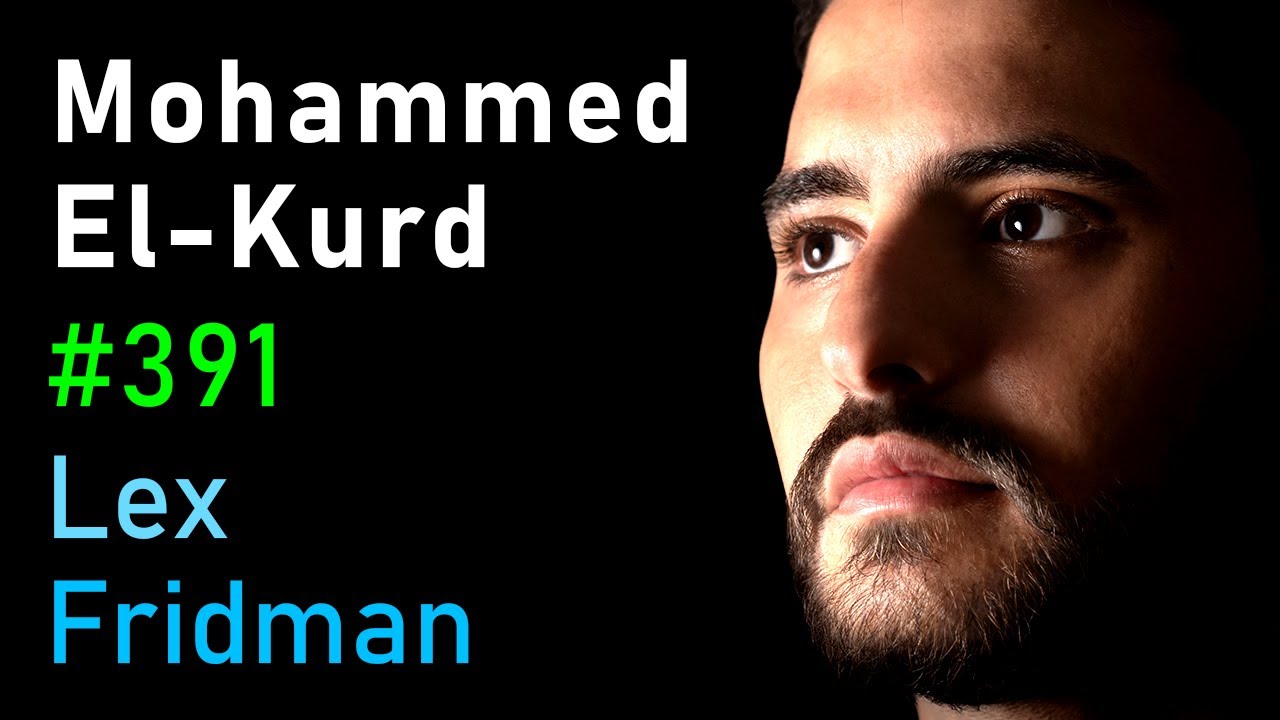 Mohammed El-Kurd: Palestine
More like this
2h 14m
Mohammed El-Kurd: Palestine
More like this
2h 14m
AI-generated summary · last refreshed 2026-05-29 04:55:42 · how we make these
Quotes are matched verbatim against the source transcript; references are checked to resolve to real URLs. Even so, AI can misread structure or attribute claims imperfectly. If you spot an error, please let us know.