Grant Sanderson: Math, Manim, Neural Networks & Teaching with 3Blue1Brown
Core Takeaways
Grant Sanderson emphasizes that interactive learning, such as using Manim, enhances retention compared to passive consumption.
Why it matters
Interactive learning tools like Manim can revolutionize education by making complex concepts more accessible and memorable.
Neural networks, like GPT-3, operate on layered structures, which allows them to process high-dimensional spaces effectively.
▶ 1:12:34
Why it matters
Understanding the structure of neural networks is crucial for developing more efficient AI models.
The Feynman effect suggests lectures provide immediate satisfaction but often lack long-term retention, highlighting the need for active engagement.
▶ 23:45
Why it matters
The Feynman effect underscores the importance of active learning strategies to improve educational outcomes.
Grant Sanderson believes that online educational content can have a longer legacy than traditional publishing due to its accessibility and reach.
▶ 1:45:12
Why it matters
The shift to online content democratizes education, allowing high-quality resources to reach a global audience.
Exponential growth, often misunderstood, can be illustrated through examples like Moore's Law and the spread of COVID-19.
▶ 2:13:56
Why it matters
Grasping exponential growth is vital for predicting and managing technological and societal changes.
Ask this episode Deep
A preview of how Deep chat answers, grounded in this episode with citations and timestamps:
Cite this episode
For papers, blog posts, anywhere.
Related episodes
Where to go next from this conversation.
More from Grant Sanderson
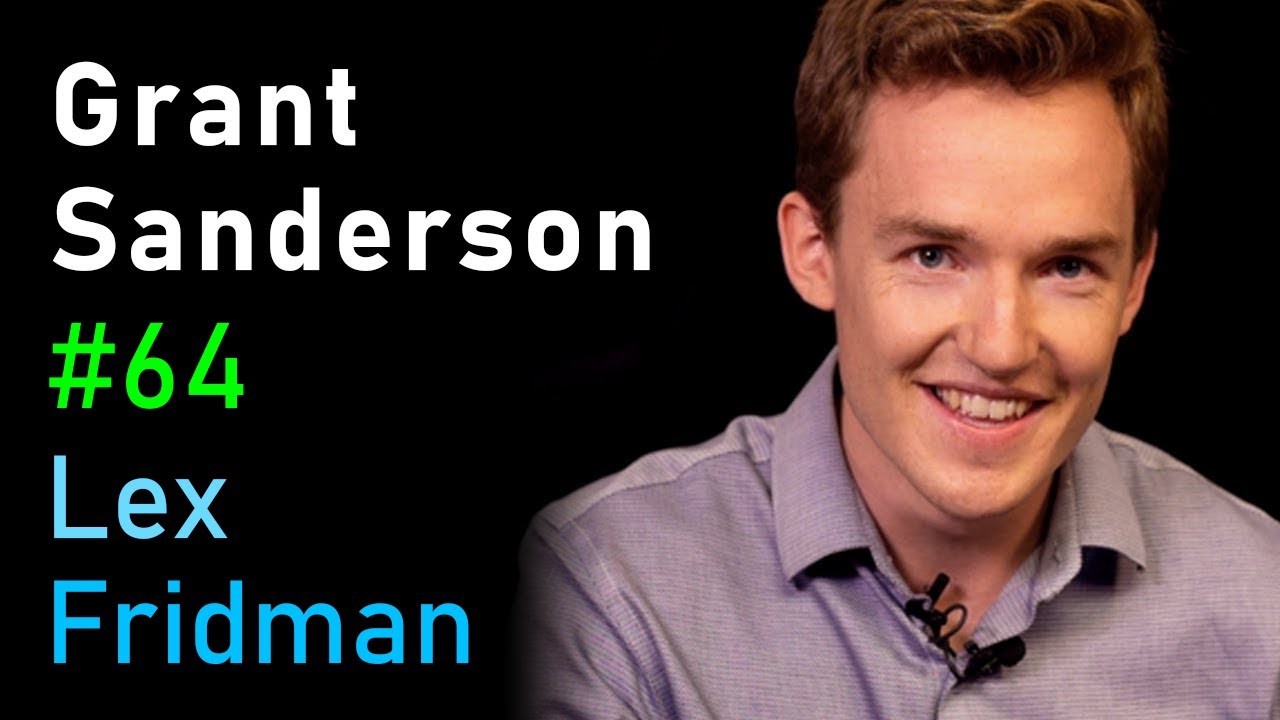
More on these ideas
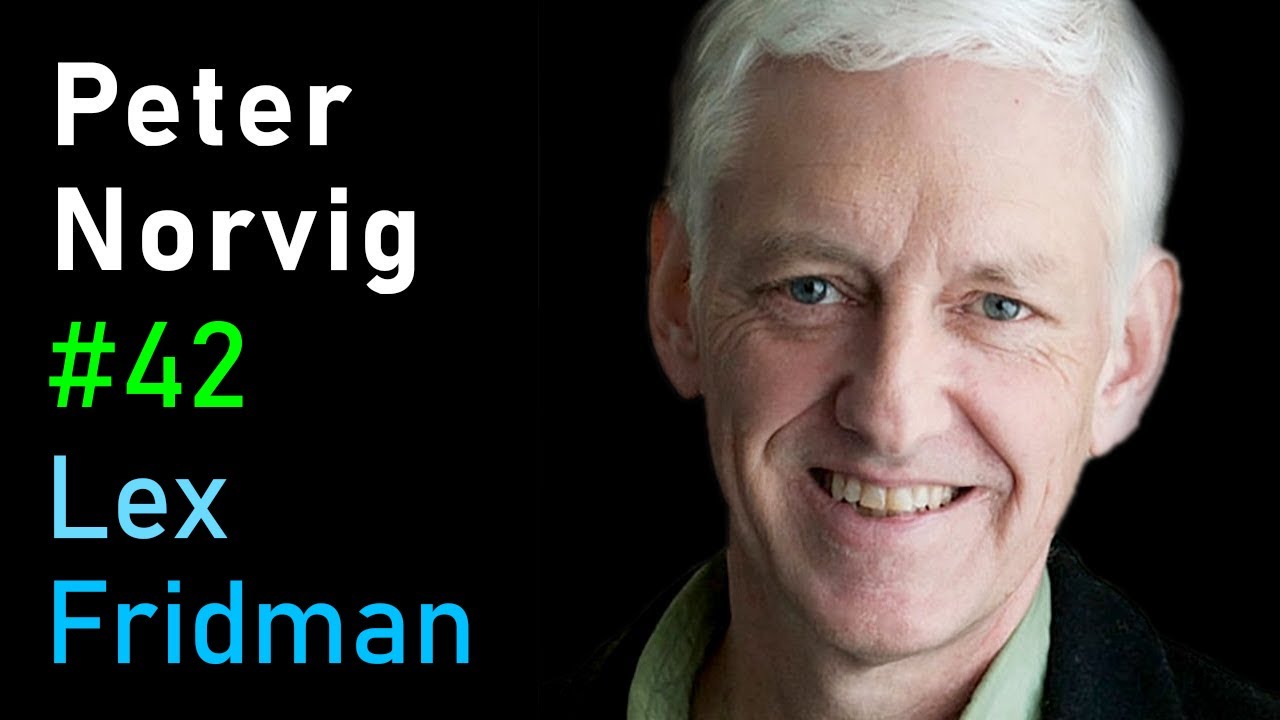 Peter Norvig: Artificial Intelligence: A Modern Approach
More like this
1h 3m
Peter Norvig: Artificial Intelligence: A Modern Approach
More like this
1h 3m
 Jeremy Howard: fast.ai Deep Learning Courses and Research
More like this
1h 44m
Jeremy Howard: fast.ai Deep Learning Courses and Research
More like this
1h 44m
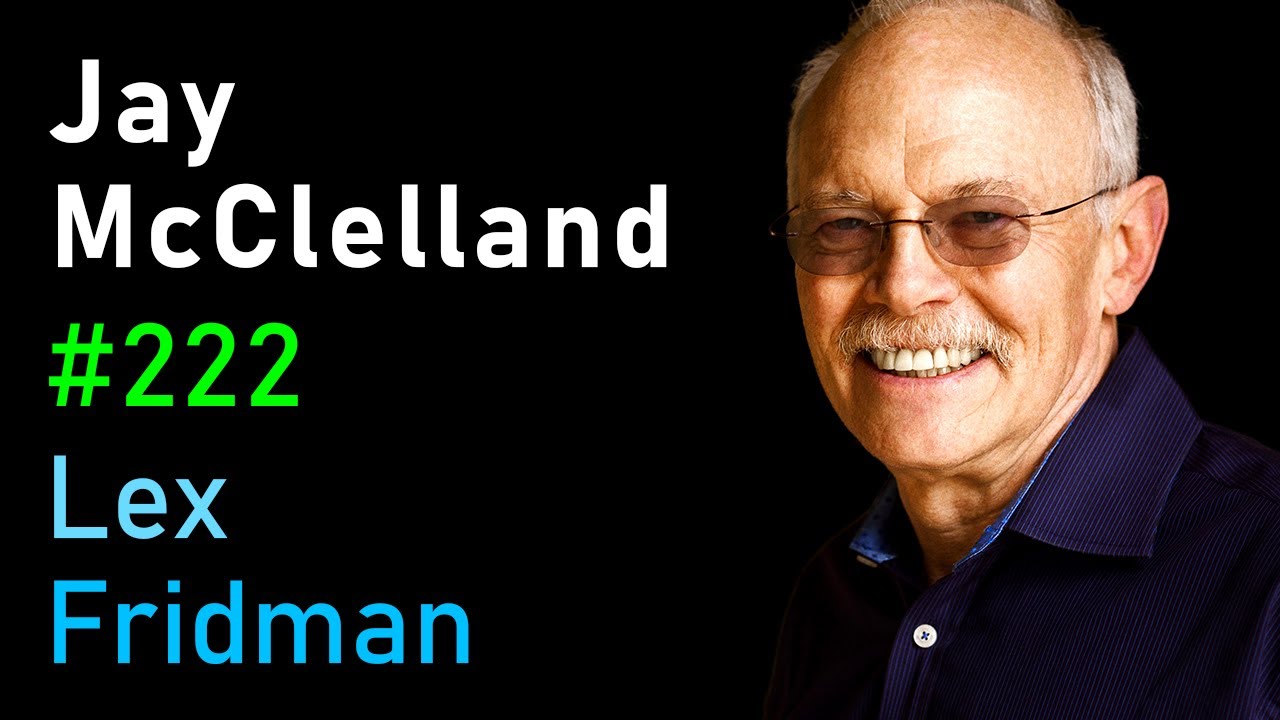 Jay McClelland: Neural Networks and the Emergence of Cognition
Shares neural networks
2h 31m
Jay McClelland: Neural Networks and the Emergence of Cognition
Shares neural networks
2h 31m
 John Hopfield: Physics View of the Mind and Neurobiology
Shares neural networks
1h 12m
John Hopfield: Physics View of the Mind and Neurobiology
Shares neural networks
1h 12m
AI-generated summary · last refreshed 2026-06-06 22:24:39 · how we make these
Quotes are matched verbatim against the source transcript; references are checked to resolve to real URLs. Even so, AI can misread structure or attribute claims imperfectly. If you spot an error, please let us know.