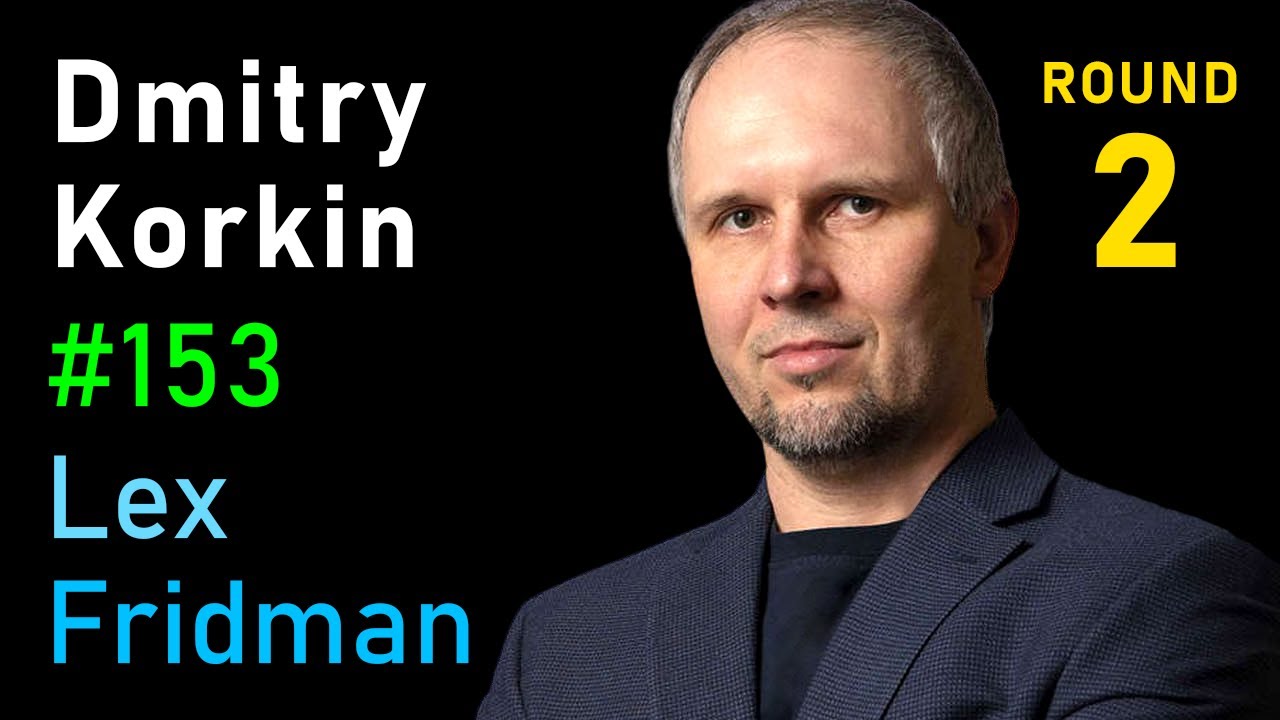
Dmitry Korkin: Computational Biology of Coronavirus
Core Takeaways
COVID-19's R naught varies between 1.5 and 3, significantly lower than measles' R naught of 15, impacting transmission strategies.
▶ 2:30
Why it matters
Understanding transmission rates helps public health officials tailor interventions to control outbreaks effectively.
Nanoparticle vaccines mimic virion particles, potentially reducing infection by competing with actual viruses.
▶ 45:00
Why it matters
This approach could lead to more effective vaccines that preemptively block infection pathways, improving public health responses.
Agent-based simulations reveal that asymptomatic COVID-19 carriers are highly contagious, especially in the first week.
▶ 1:10:00
Why it matters
Insights into asymptomatic transmission inform public health strategies, emphasizing the importance of early detection and isolation.
Coronaviruses have at least 29 proteins, offering more complexity than the 8-9 proteins in influenza viruses.
▶ 1:30:00
Why it matters
The complexity suggests a higher potential for mutation and adaptation, complicating vaccine and treatment development.
Ask this episode Deep
A preview of how Deep chat answers, grounded in this episode with citations and timestamps:
Cite this episode
For papers, blog posts, anywhere.
Related episodes
Where to go next from this conversation.
More from Dmitry Korkin
More on these ideas
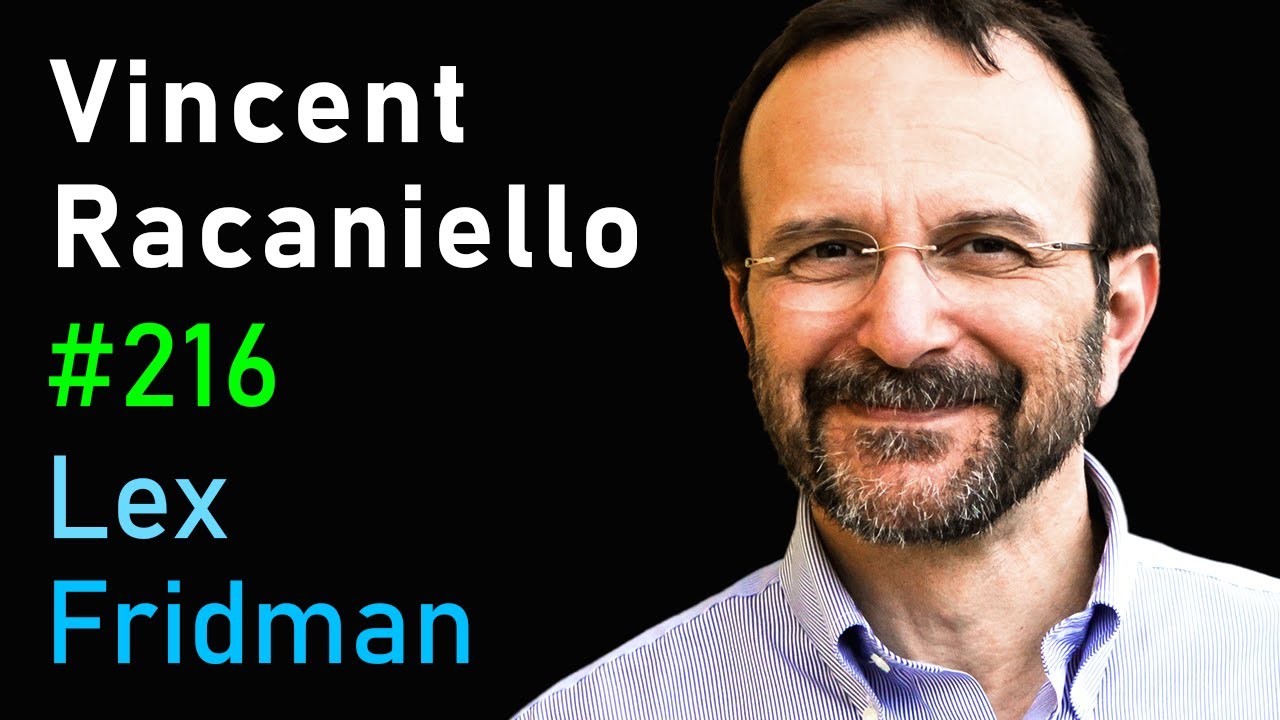 Vincent Racaniello: Viruses and Vaccines
Shares vaccine development, viral evolution
3h 28m
Vincent Racaniello: Viruses and Vaccines
Shares vaccine development, viral evolution
3h 28m
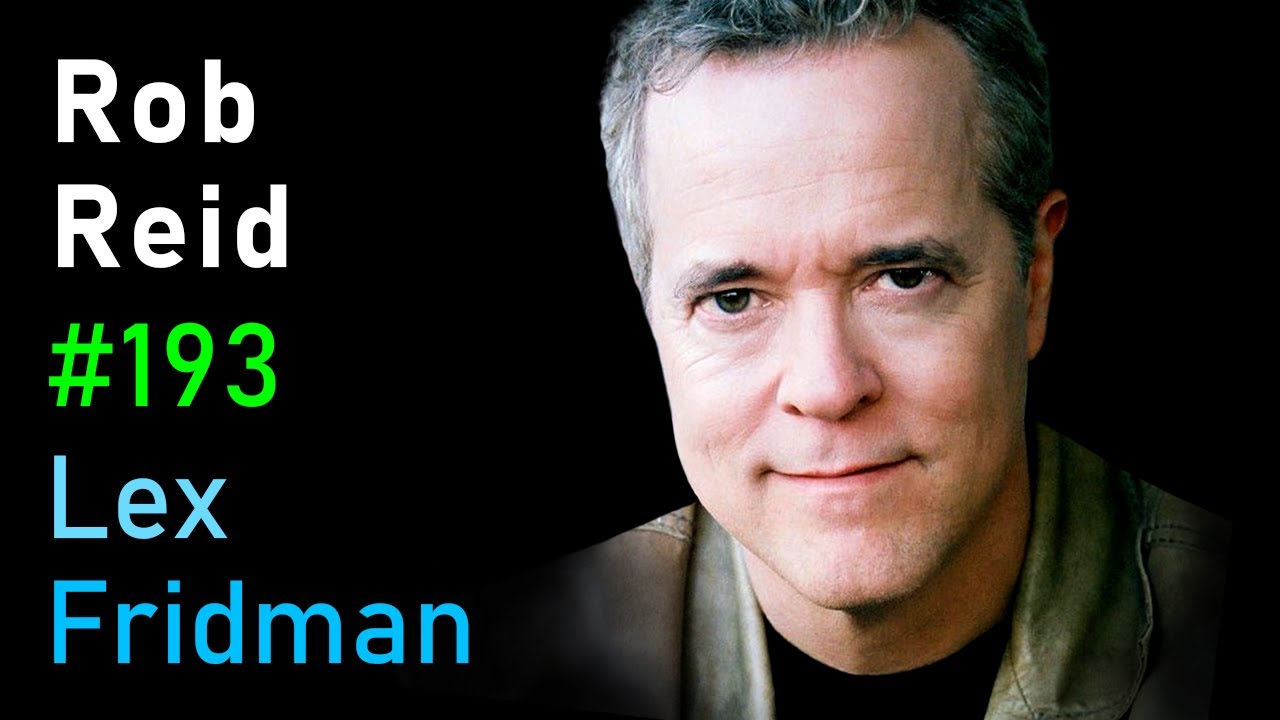 Rob Reid: The Existential Threat of Engineered Viruses and Lab Leaks
Shares pandemic preparedness
2h 59m
Rob Reid: The Existential Threat of Engineered Viruses and Lab Leaks
Shares pandemic preparedness
2h 59m
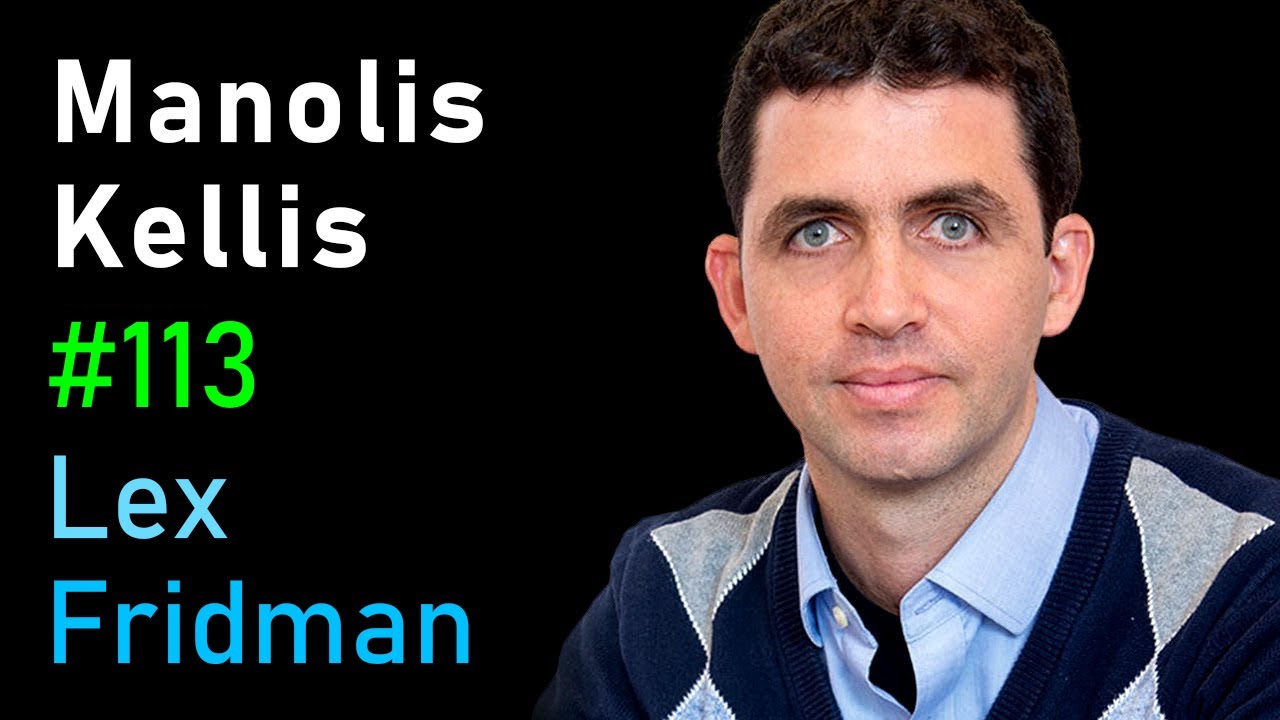 Manolis Kellis: Human Genome and Evolutionary Dynamics
Shares genomics, viral evolution
2h 29m
Manolis Kellis: Human Genome and Evolutionary Dynamics
Shares genomics, viral evolution
2h 29m
 Michael Mina: Rapid Testing, Viruses, and the Engineering Mindset
More like this
2h 14m
Michael Mina: Rapid Testing, Viruses, and the Engineering Mindset
More like this
2h 14m
AI-generated summary · last refreshed 2026-06-06 22:50:52 · how we make these
Quotes are matched verbatim against the source transcript; references are checked to resolve to real URLs. Even so, AI can misread structure or attribute claims imperfectly. If you spot an error, please let us know.