Daniel Kahneman: Thinking Fast and Slow, Deep Learning, and AI
Core Takeaways
Kahneman argues that deep learning mimics System One thinking, being fast and predictive but lacking reasoning and causality.
▶ 10:45
Why it matters
This suggests AI can excel at pattern recognition but struggles with tasks requiring deep understanding and reasoning.
The distinction between the experiencing self and the remembering self explains why people often prioritize memories over actual experiences.
▶ 1:15:30
Why it matters
This insight affects how we design experiences and products, focusing on memory creation rather than momentary satisfaction.
DeepMind and OpenAI are exploring neural networks for reasoning, but temporal causality remains a challenge.
▶ 45:15
Why it matters
Understanding these challenges is crucial for developing AI that can reason and interact with the world like humans.
Controlled experiments in psychology often fail to translate to real-world outcomes, as shown by a 0% success rate in studies on gym attendance.
▶ 1:30:00
Why it matters
This highlights the gap between theoretical research and practical application, questioning the validity of lab-based psychology findings.
Kahneman highlights that dehumanization enables ordinary people to commit atrocities, challenging assumptions about human morality.
▶ 5:30
Why it matters
This challenges the belief that only inherently evil individuals commit atrocities, suggesting a broader potential for moral failure.
Ask this episode Deep
A preview of how Deep chat answers, grounded in this episode with citations and timestamps:
Cite this episode
For papers, blog posts, anywhere.
Related episodes
Where to go next from this conversation.
More on these ideas
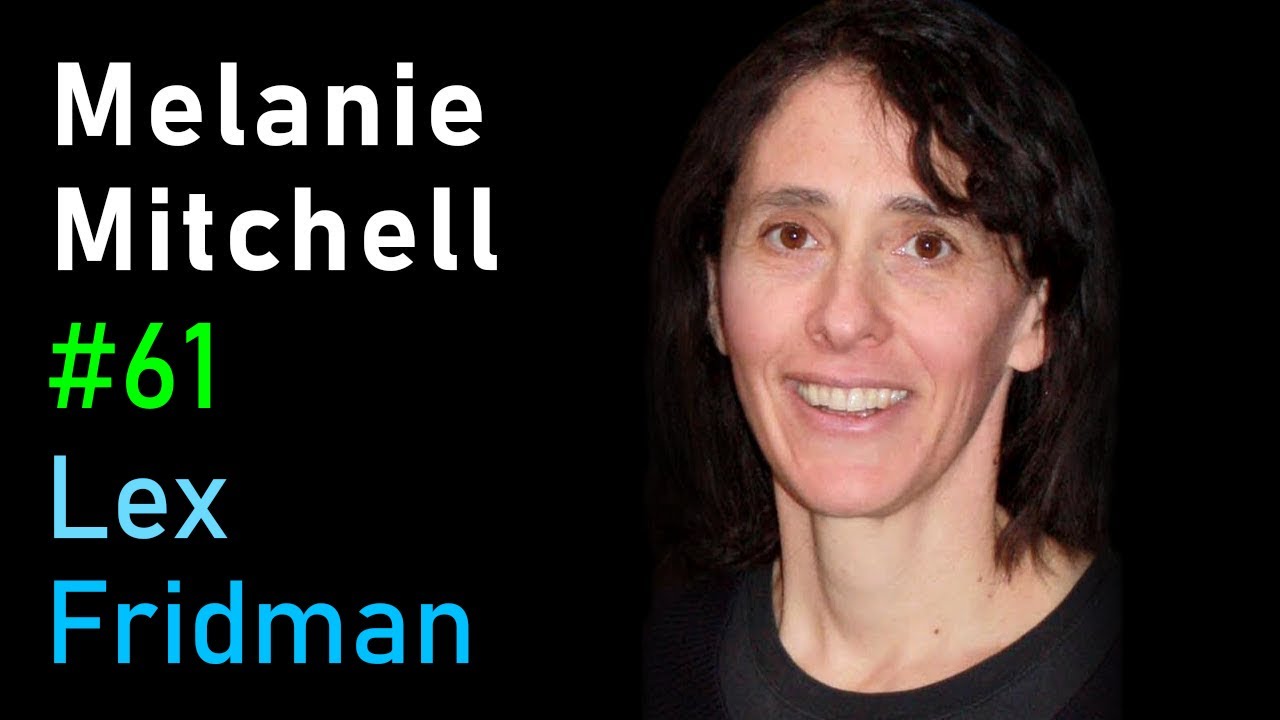 Melanie Mitchell: Concepts, Analogies, Common Sense & Future of AI
Shares artificial intelligence
1h 52m
Melanie Mitchell: Concepts, Analogies, Common Sense & Future of AI
Shares artificial intelligence
1h 52m
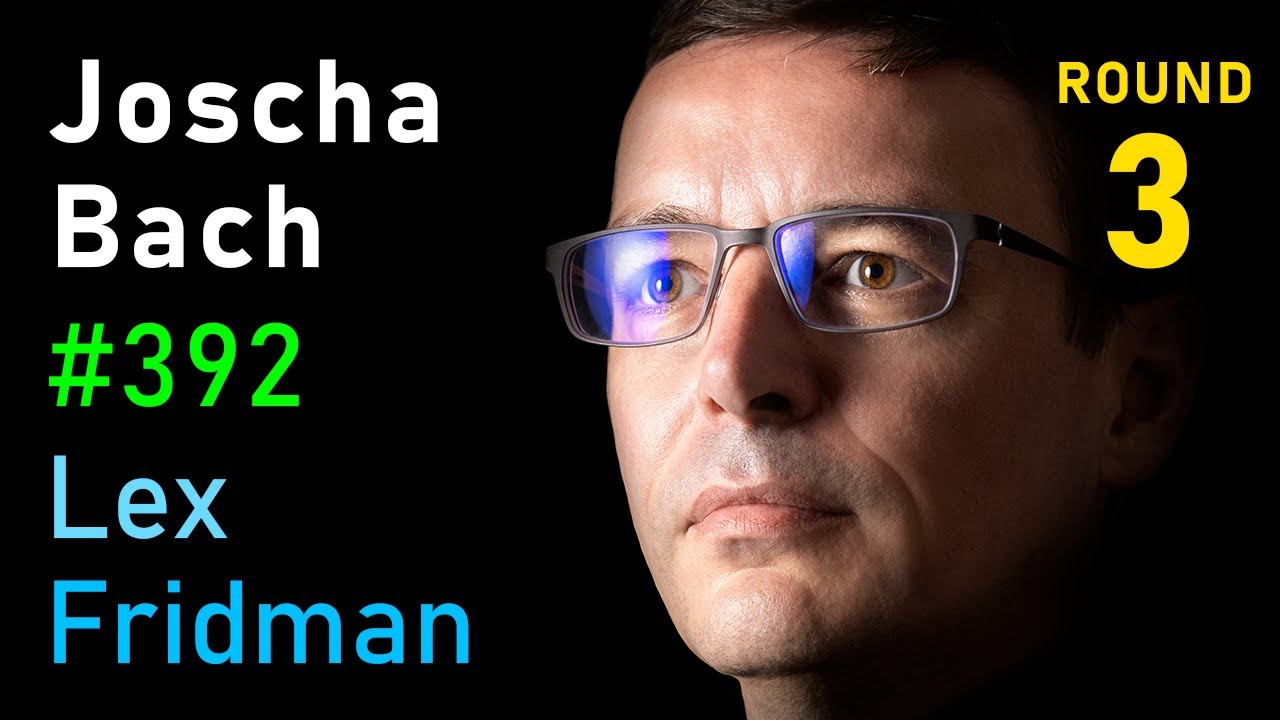 Joscha Bach: Life, Intelligence, Consciousness, AI & the Future of Humans
More like this
2h 53m
Joscha Bach: Life, Intelligence, Consciousness, AI & the Future of Humans
More like this
2h 53m
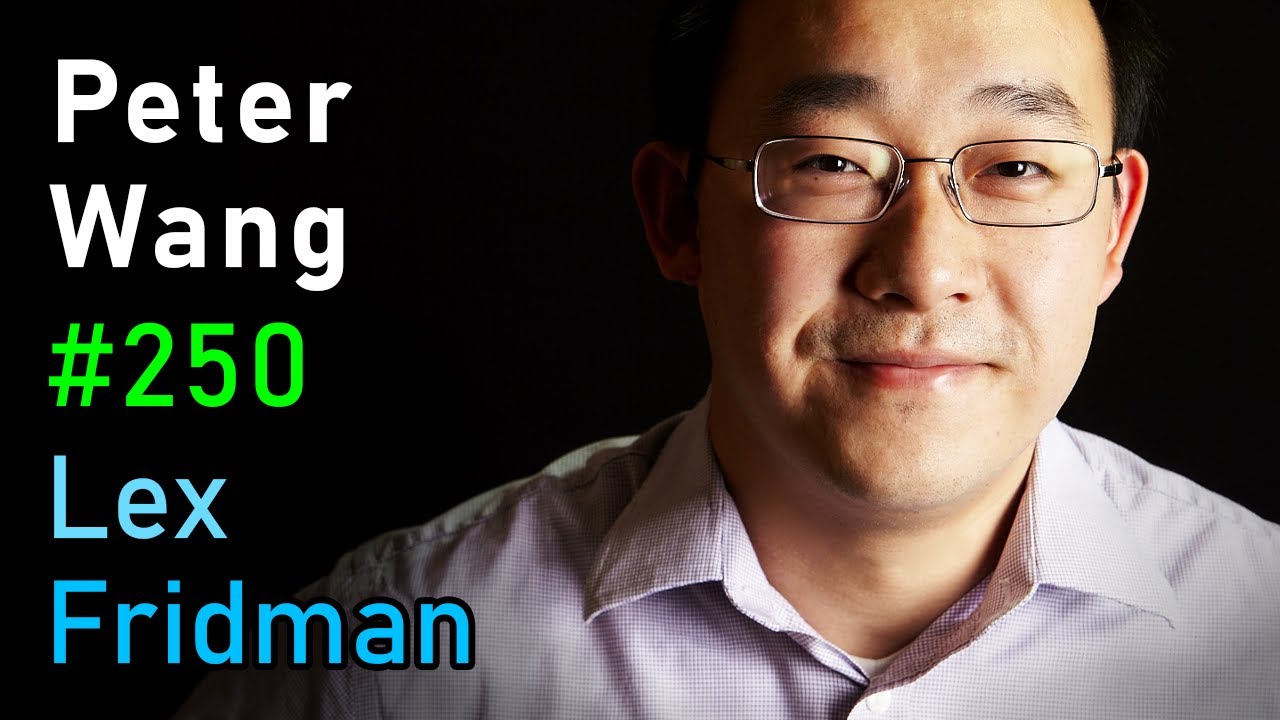 Peter Wang: Python and the Source Code of Humans, Computers, and Reality
Shares machine learning
2h 46m
Peter Wang: Python and the Source Code of Humans, Computers, and Reality
Shares machine learning
2h 46m
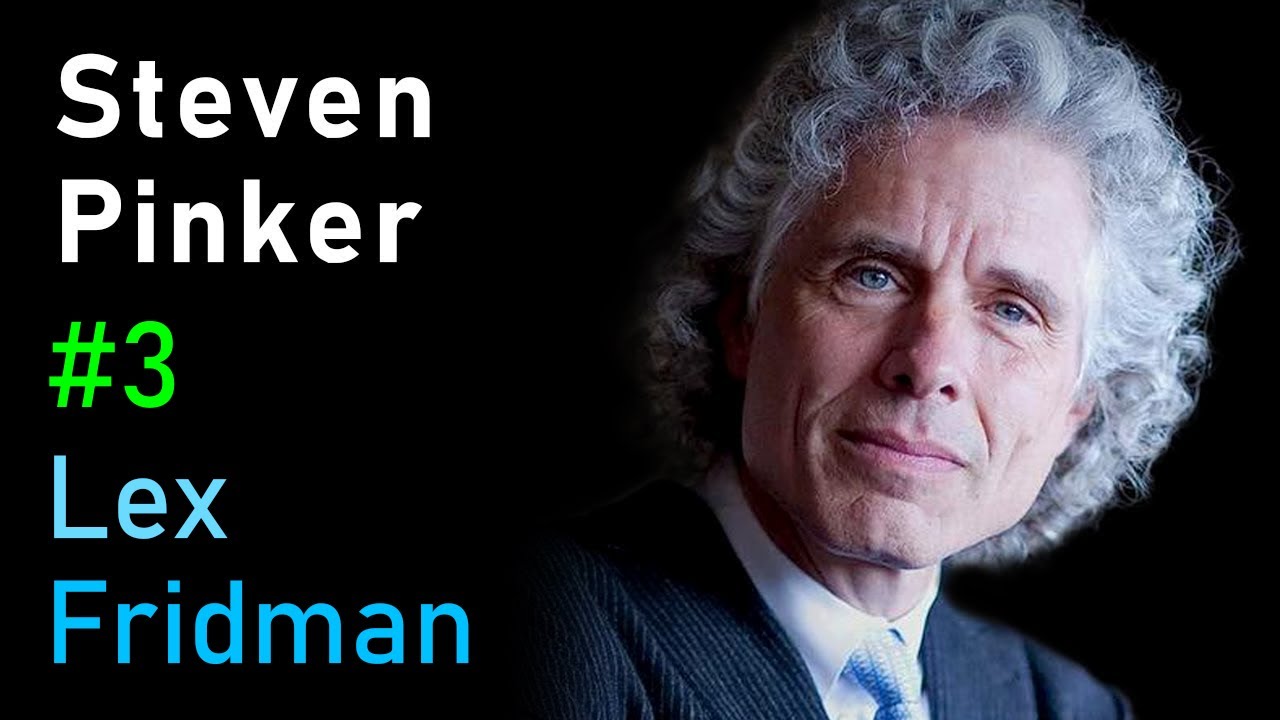 Steven Pinker: AI in the Age of Reason
Shares artificial intelligence
37m
Steven Pinker: AI in the Age of Reason
Shares artificial intelligence
37m
AI-generated summary · last refreshed 2026-06-08 16:56:41 · how we make these
Quotes are matched verbatim against the source transcript; references are checked to resolve to real URLs. Even so, AI can misread structure or attribute claims imperfectly. If you spot an error, please let us know.