Peter Norvig: Artificial Intelligence: A Modern Approach
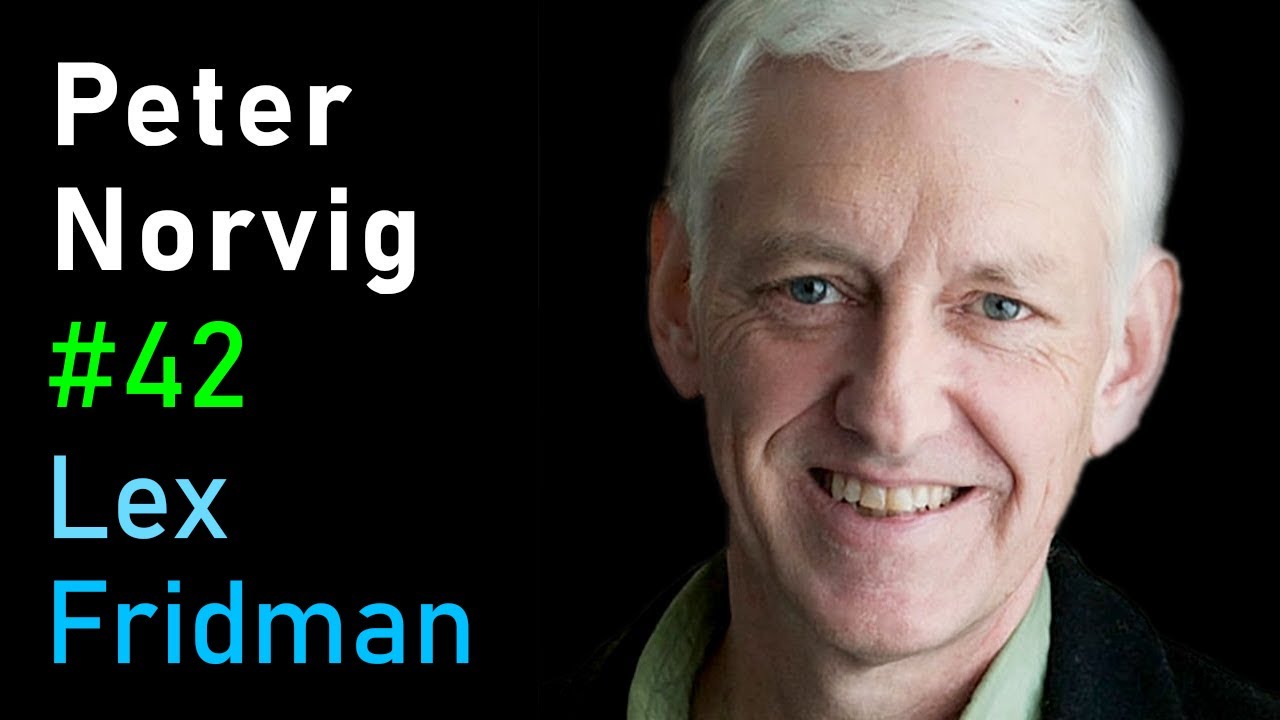
Peter Norvig highlights that achieving equal error rates across protected classes in AI systems is theoretically impossible, necessitating trade-offs. Inverse reinforcement learnin...
Every Lex Fridman Podcast conversation, summarized. 479 episodes.
Peter Norvig highlights that achieving equal error rates across protected classes in AI systems is theoretically impossible, necessitating trade-offs. Inverse reinforcement learnin...
Gary Marcus argues that AI progress is linear, not exponential, challenging Ray Kurzweil's singularity view. Marcus advocates for a hybrid AI approach, combining deep learning with...
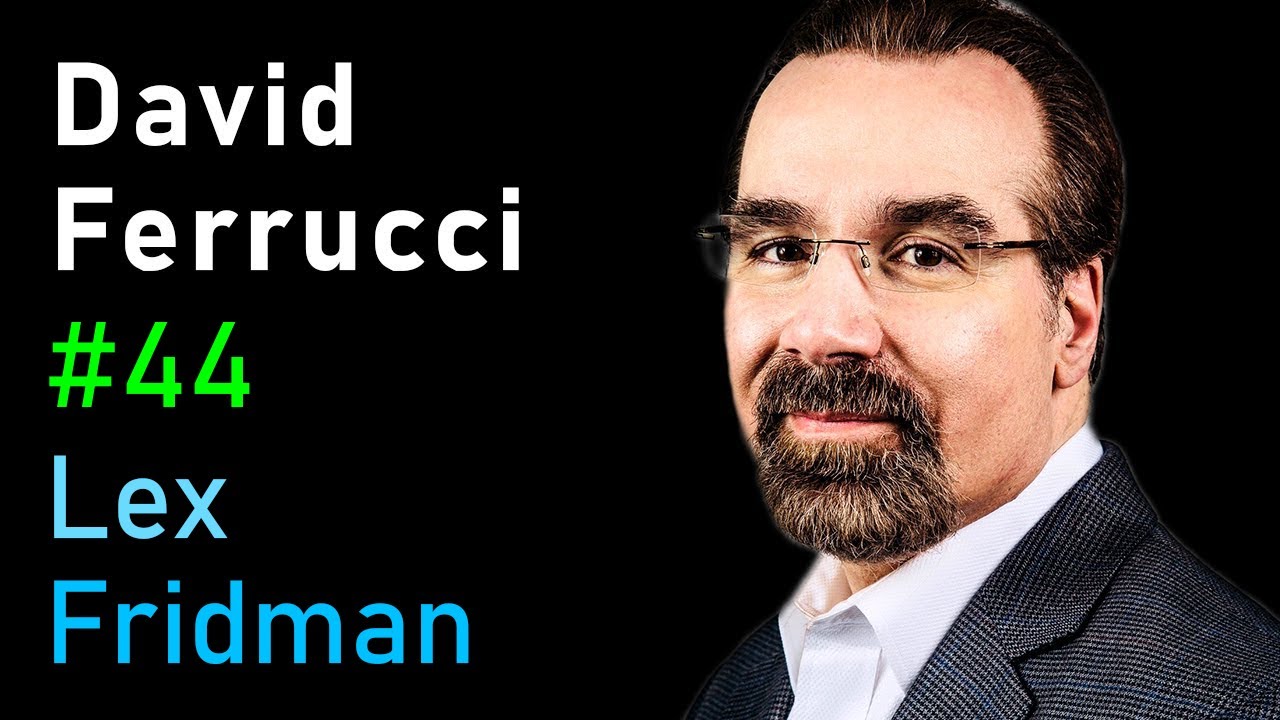
David Ferrucci argues that human intelligence's biases and prejudices can hinder objective decision-making. IBM Watson's Jeopardy success relied on a self-contained system with rap...
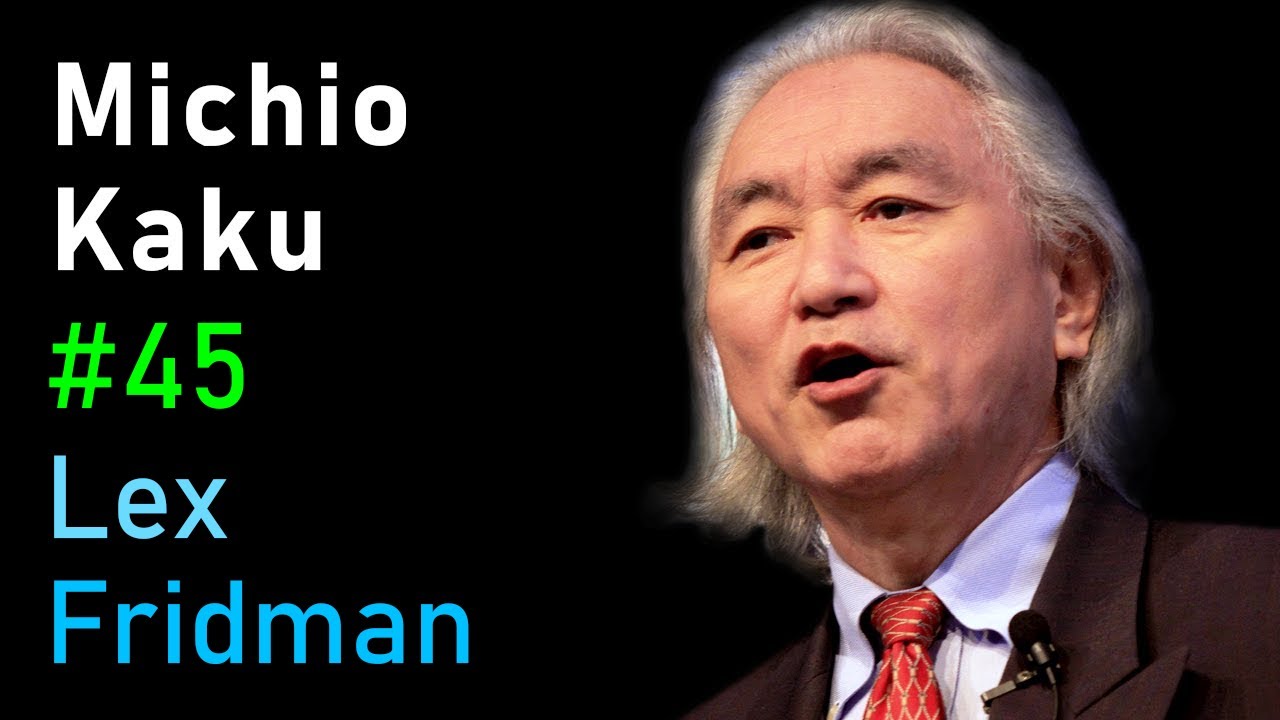
Michio Kaku predicts humanity will detect extraterrestrial signals within this century, leveraging the vast number of galaxies and stars. Kaku suggests that future human-robot inte...
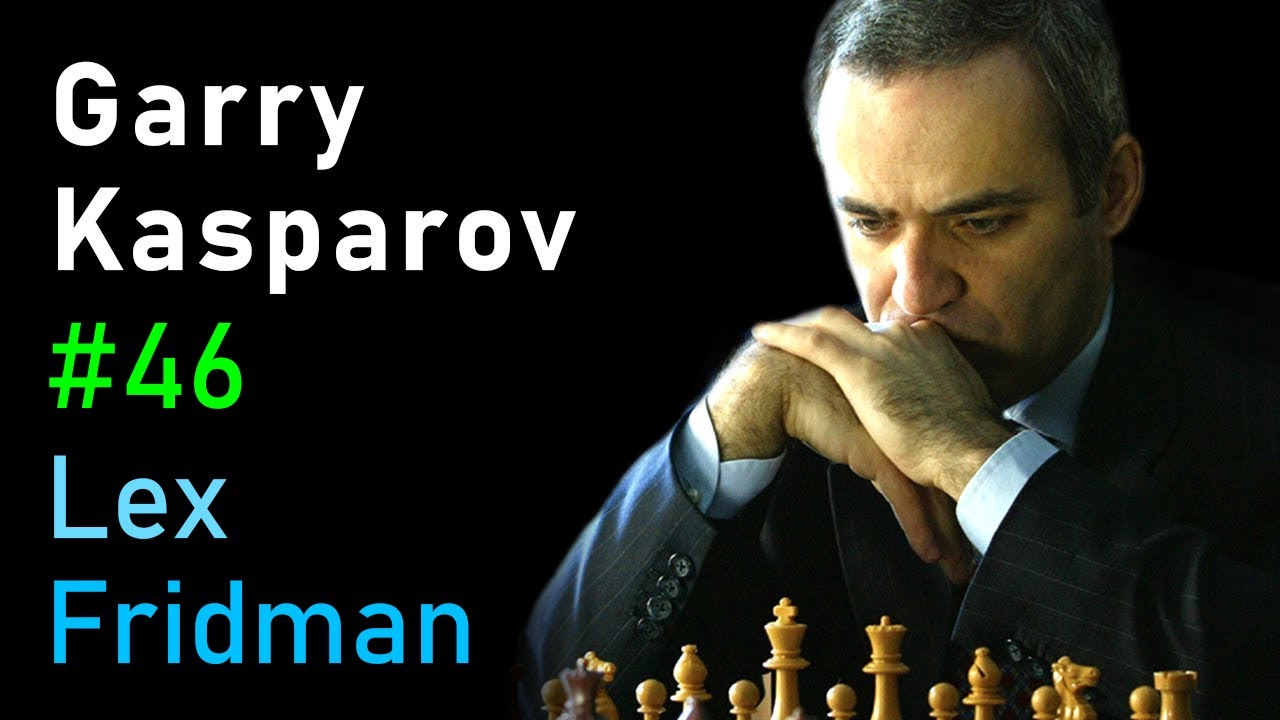
Kasparov argues that machines will always outperform humans in closed systems like chess, as demonstrated by Deep Blue. Kasparov believes that AI will amplify existing societal bia...
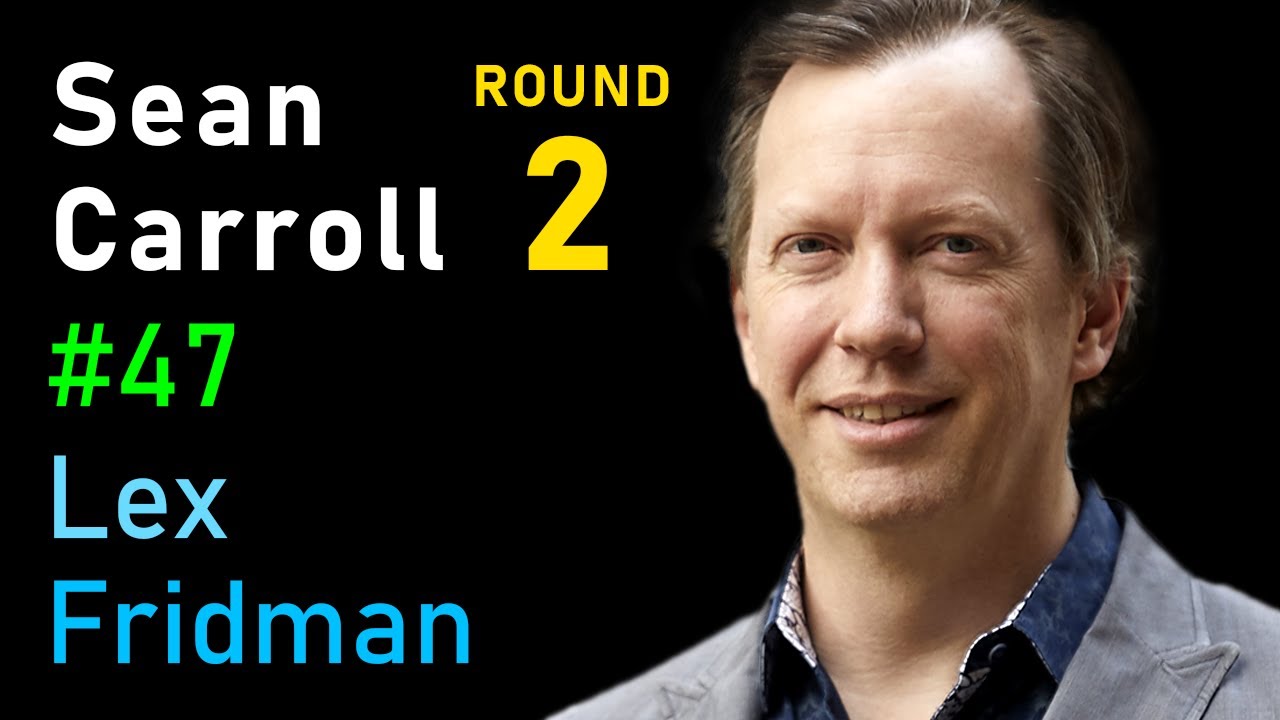
Sean Carroll argues that the many worlds interpretation of quantum mechanics is simpler and more elegant than wave function collapse theories. Hilbert space, the mathematical space...
C++ is integral to critical systems at Google, Facebook, and Amazon, highlighting its widespread influence. The zero overhead principle ensures C++ abstractions don't incur extra c...
Neuralink's brain-computer interface aims to treat diseases like autism and restore motor control after spinal injuries. Elon Musk believes AI will surpass human intelligence but m...
Dava Newman predicts evidence of past life on Mars will be found within a decade, supported by organics and seasonal water. The Artemis program aims to use the moon as a testing gr...
Chomsky argues that language is a unique cognitive capacity linked to human nature, not merely a communication tool. Deep learning, according to Chomsky, identifies patterns but la...
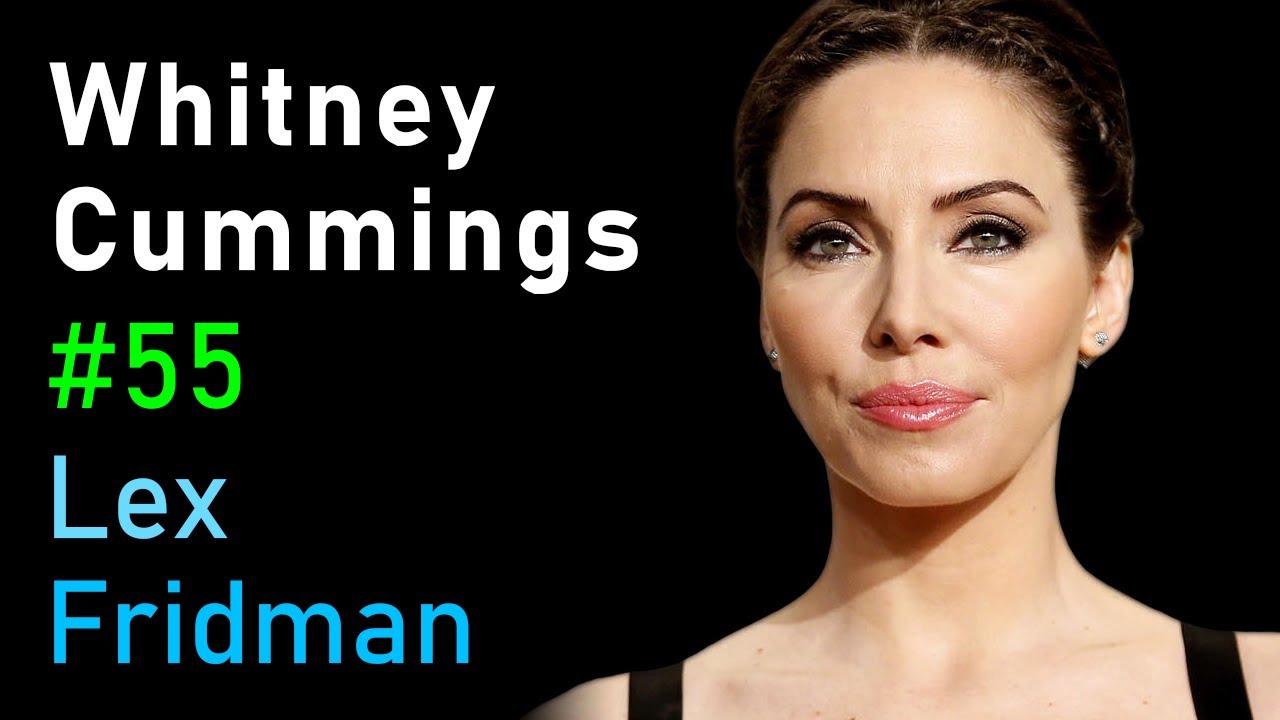
Whitney Cummings argues that robots could be more beneficial than feared, especially for lower-income populations who see them as potential helpers. Cummings suggests that genderle...
AI assistants like Alexa can be in multiple places simultaneously, offering superhuman capabilities compared to humans. The Alexa Prize challenges teams to create social bots capab...
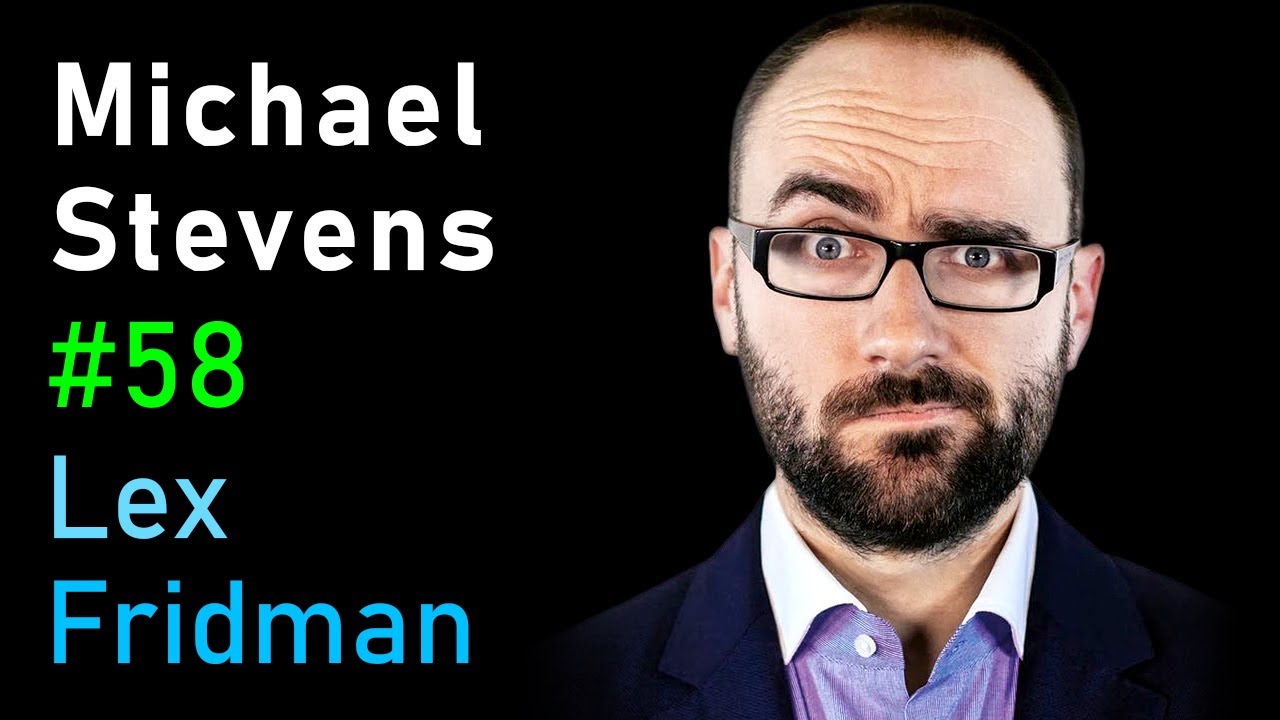
Vsauce has amassed over 15 million subscribers and 1.7 billion views, illustrating its massive influence. Michael Stevens suggests consciousness might be fully explainable through ...
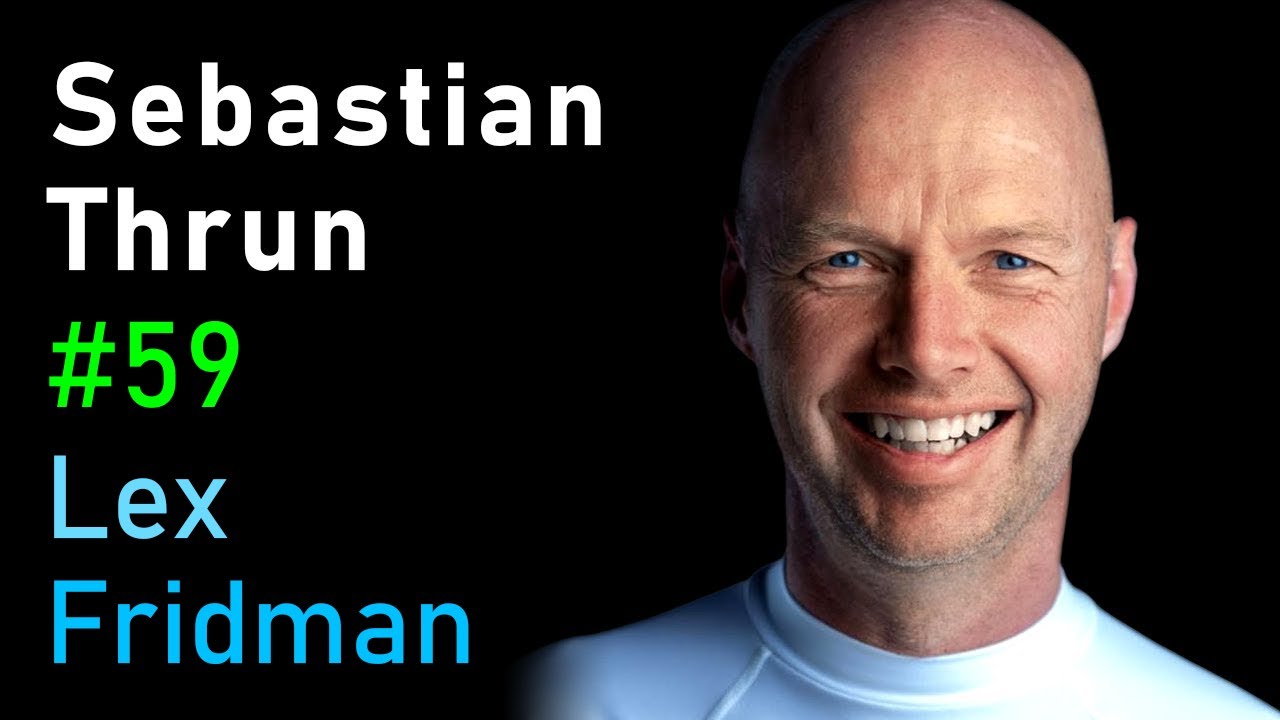
Sebastian Thrun's Heaviside flying car can travel 100 miles with 30% electric reserves, operating at 38 decibels, quieter than a library. Thrun's team completed their autonomous ve...
Jim Gates argues that sending humans to Mars by 2030 is at least 1,000 times harder than the moon landing due to funding and biological challenges. Supersymmetry suggests every kno...
Melanie Mitchell critiques the term 'artificial intelligence' as misleading, preferring 'complex information processing.' Deep learning lacks the ability to prioritize relevant fea...
Stalin's power was facilitated by Lenin's creation of the general secretary position, tailored for Stalin's skills. Putin's popularity in Russia is partly due to a lack of viable a...
Grant Sanderson argues that mathematical notation shapes our understanding and can obscure deeper meanings, especially with complex numbers. Mathematics is both an abstraction and ...
Kahneman argues that deep learning mimics System One thinking, being fast and predictive but lacking reasoning and causality. The distinction between the experiencing self and the ...
YouTube's recommendation system processes over 500,000 hours of new video daily, more than a human could watch in a lifetime. YouTube uses collaborative filtering and clustering to...
David Chalmers argues that even if we are in a simulation, our perceived reality remains 'real', introducing the term 'reality 2.0'. Chalmers suggests that consciousness arises fro...
Vladimir Vapnik argues that understanding intelligence is a philosophical problem, distinct from engineering intelligence, which imitates human activity. Vapnik suggests that using...
Max Tegmark argues that intelligent life is rare in the universe, suggesting we may be the only advanced civilization. Tegmark challenges 'carbon chauvinism', claiming consciousnes...